



Meet our new Climate Democracy Coordinator, Valery Molay!
/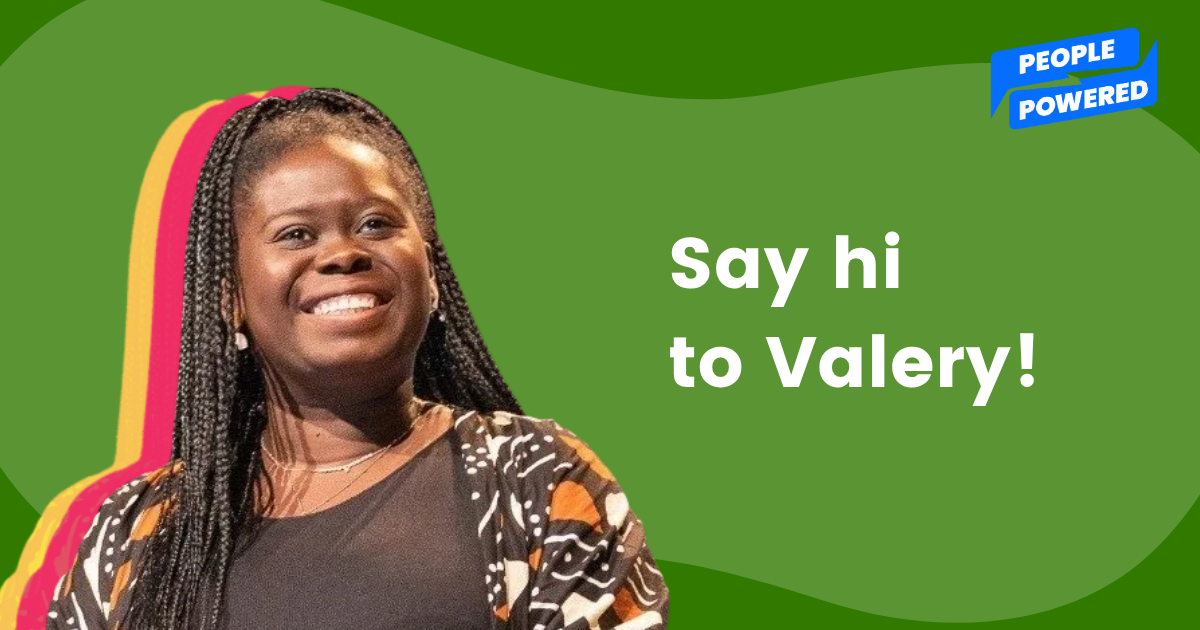
When Valery Molay was eight years old, growing up as one of the few Black girls in Ireland, she already knew that people's voices mattered. Even when the world wasn't ready to hear them. Born in Kinshasa and raised in North Dublin, she spent her childhood navigating a tension that would come to define her career: the gap between the communities she belonged to and the systems meant to represent them.
That gap led her to environmental policy, to the United Nations as Ireland's Youth Delegate on climate, and to co-designing Ireland's first Citizens' Assemblies dedicated to children and young people, for biodiversity loss policies. Along the way, she managed gender-transformative climate justice grants across Europe and built a reputation for making participatory learning accessible, grounded, and rooted in lived experience.
Now, as People Powered's Climate Democracy Coordinator, Valery is at the helm of the Climate Democracy Accelerator (CDA) — the largest global program supporting governments and civil society organizations to put communities at the center of climate decision-making. Since 2022, the CDA has supported over 90 participatory programs to develop community-led climate solutions in more than 33 countries. And it's getting bigger: with new funding, the program is set to double in size over the coming years. With the sixth cohort now underway, Valery is guiding a diverse group of participants from Brazil to Ghana to Indonesia as they bring climate democracy to life in their communities.
We sat down with Valery to talk about what drives her, what she's learning from the latest CDA cohort, and why she thinks democracy might be the most underrated tool in the climate fight.
1. Why are you passionate about participatory climate democracy?
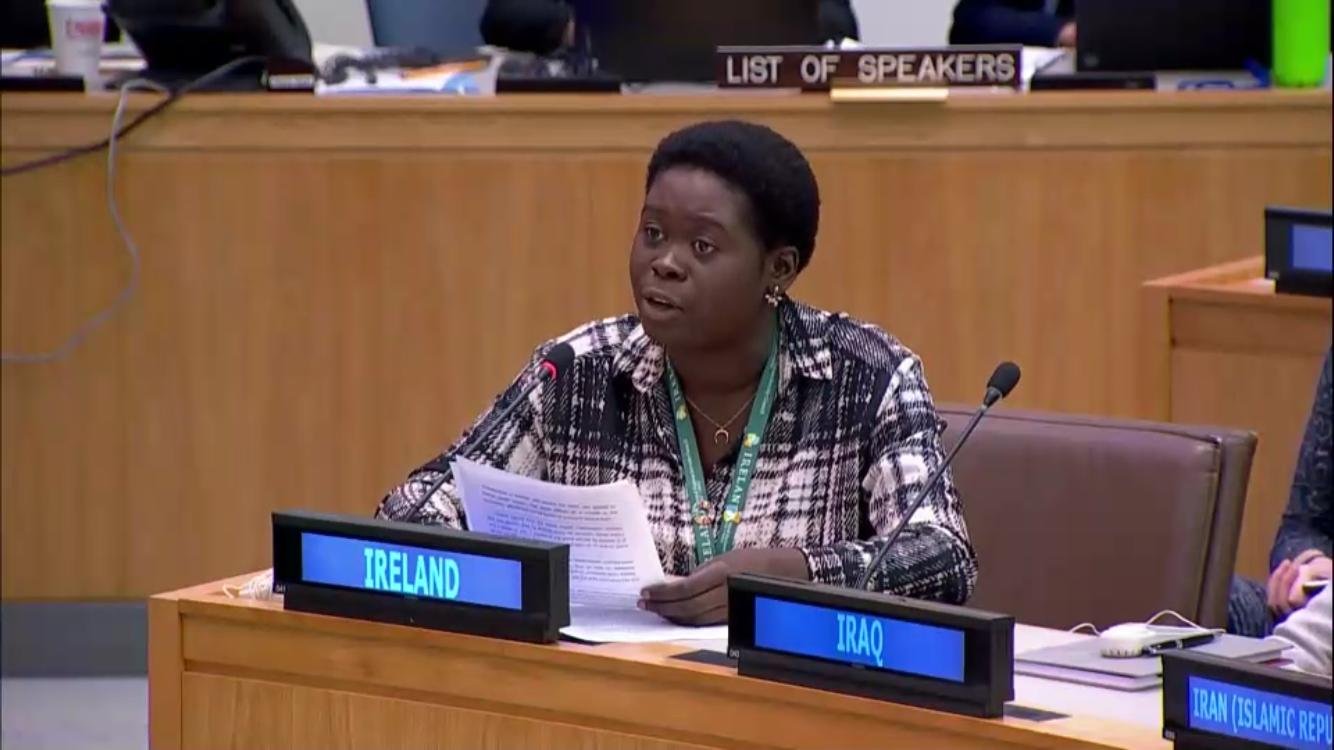
UN General Assembly Third Committee (Social, Humanitarian, and Cultural Committee), 2019
Growing up as a young Black girl in Ireland, which was far less diverse than it is today. I quickly learned what it feels like to have other people's perceptions placed on you. I remember coming home crying as an eight-year-old -- not understanding why people saw me differently and why, even within my own community, I was often told I was too young to understand or to have an opinion on things like politics. But that experience didn't make me smaller. If anything, it made me more passionate about making sure people have a voice, especially young people. We can't wait until adulthood to have a say in the decisions that shape our lives. That's why I worked on Ireland's Children and Young People's Citizens' Assembly on Biodiversity Loss, and it's why I focus on participatory climate democracy now -- because the people most affected by the climate crisis deserve to be at the center of deciding what to do about it. I see that same fire in the young people and other marginalized groups I work with today.
2. What drew you to People Powered?
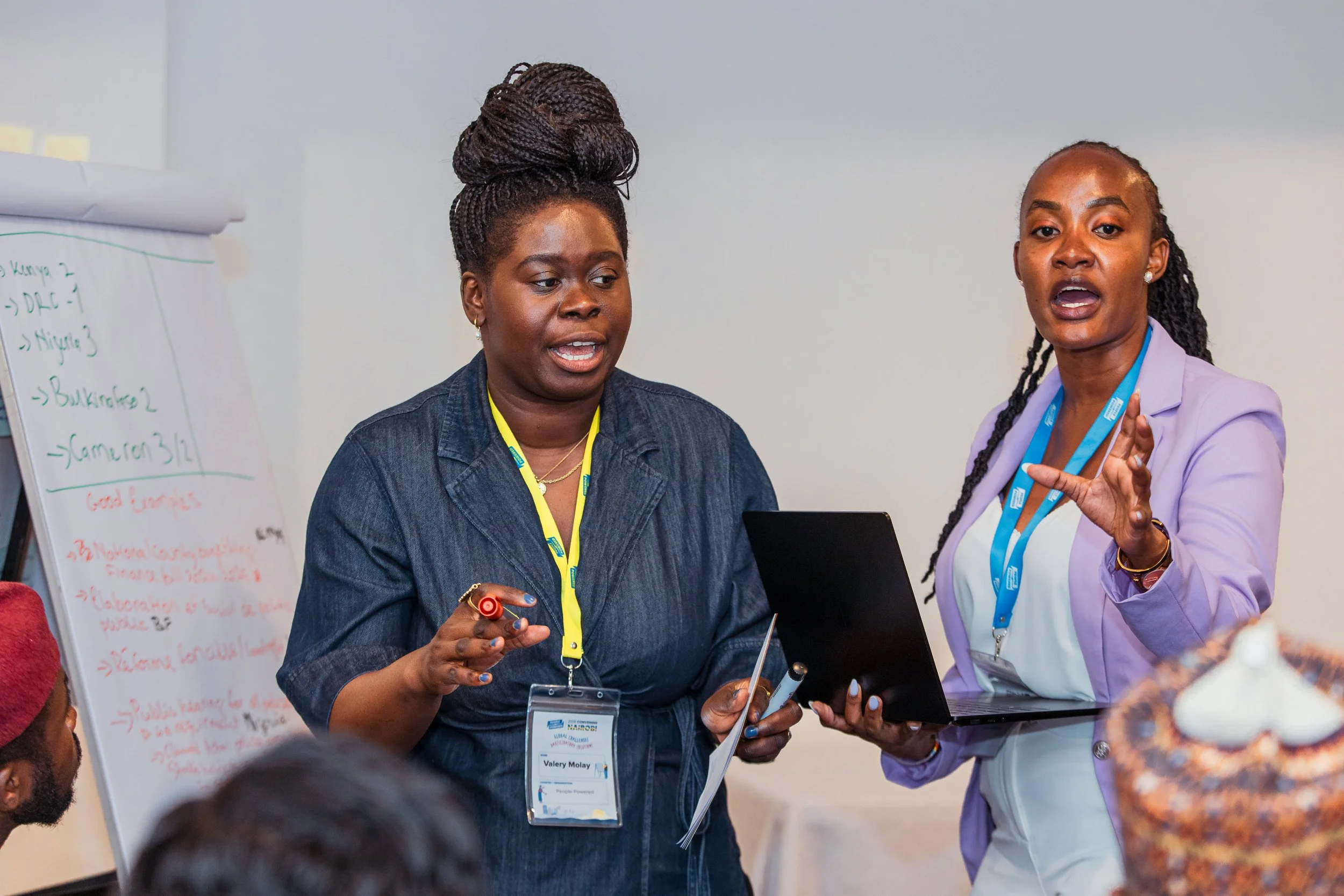
People Powered 2026 Convening: Nairobi
I wanted to be part of an organization where participatory process is the main feature — not a side project tacked onto issue-based work. People Powered is doing something different: building real accountability between governments and communities. Right now, a lot of civic engagement looks like people shouting to be heard and governments tuning them out. Participatory processes can reshape that dynamic. They bring dialogue, shared responsibility, and different viewpoints into the same room. A citizens' assembly isn't about pushing one agenda. It's about creating a space where people can feel uncomfortable, disagree, and still find common ground to move forward together.
3. How was it supporting the kick-off of the sixth cohort of the Climate Democracy Accelerator (which happened last week!)?
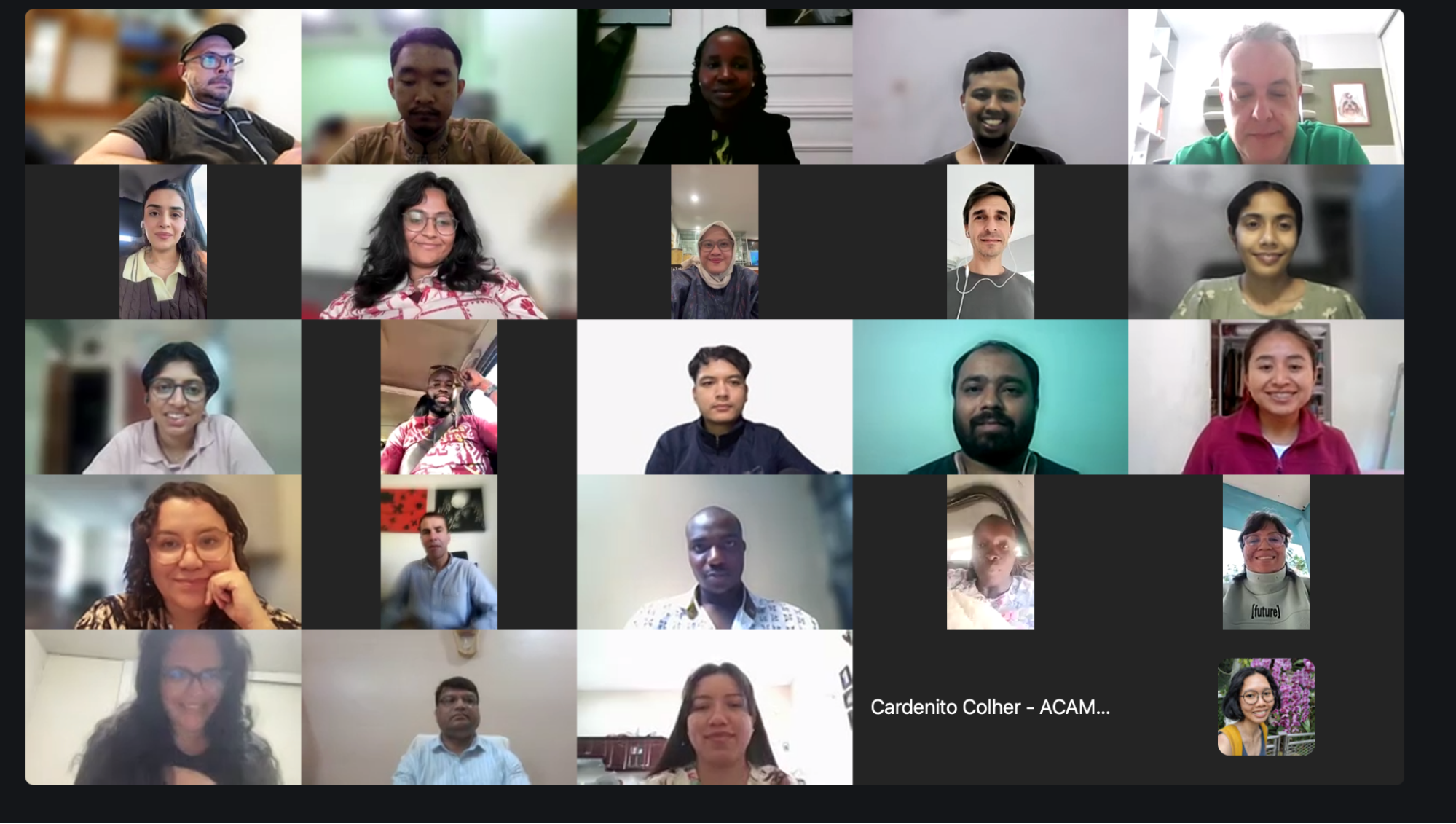
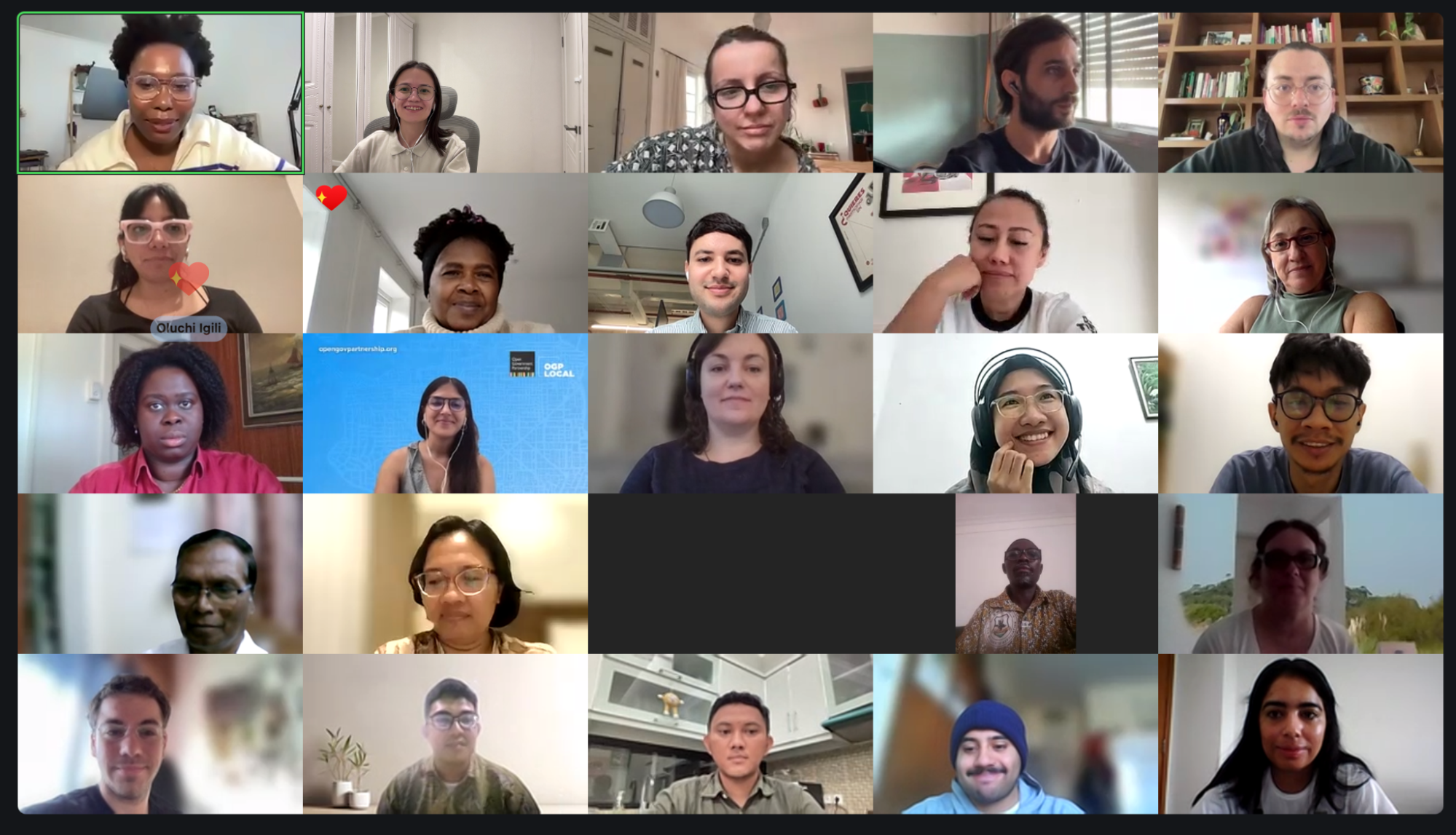
I'm still reflecting on it, honestly. I’m definitely excited! The energy in the room was incredible. You had a representative from Ghana's Ministry of Local Government hearing about legislative theatre for the first time and immediately seeing how it could work in their community. That kind of curiosity and openness is what makes this work feel alive.
But I'd be lying if I said I wasn't a bit overwhelmed, too. This is one of our largest cohorts, and the participants come from very different contexts — someone from Brazil faces realities that are completely different from those of someone from Indonesia. There's no one-size-fits-all methodology, and I want us to serve everyone well. But that's also why this program works: I'm not doing it alone. We have incredible mentors who've been through this before, and strong in-country partners who understand the local context in ways no global program ever could on its own. The doubt doesn't go away, but it becomes productive when you have the right people around you.
4. How is Valery like outside of work?
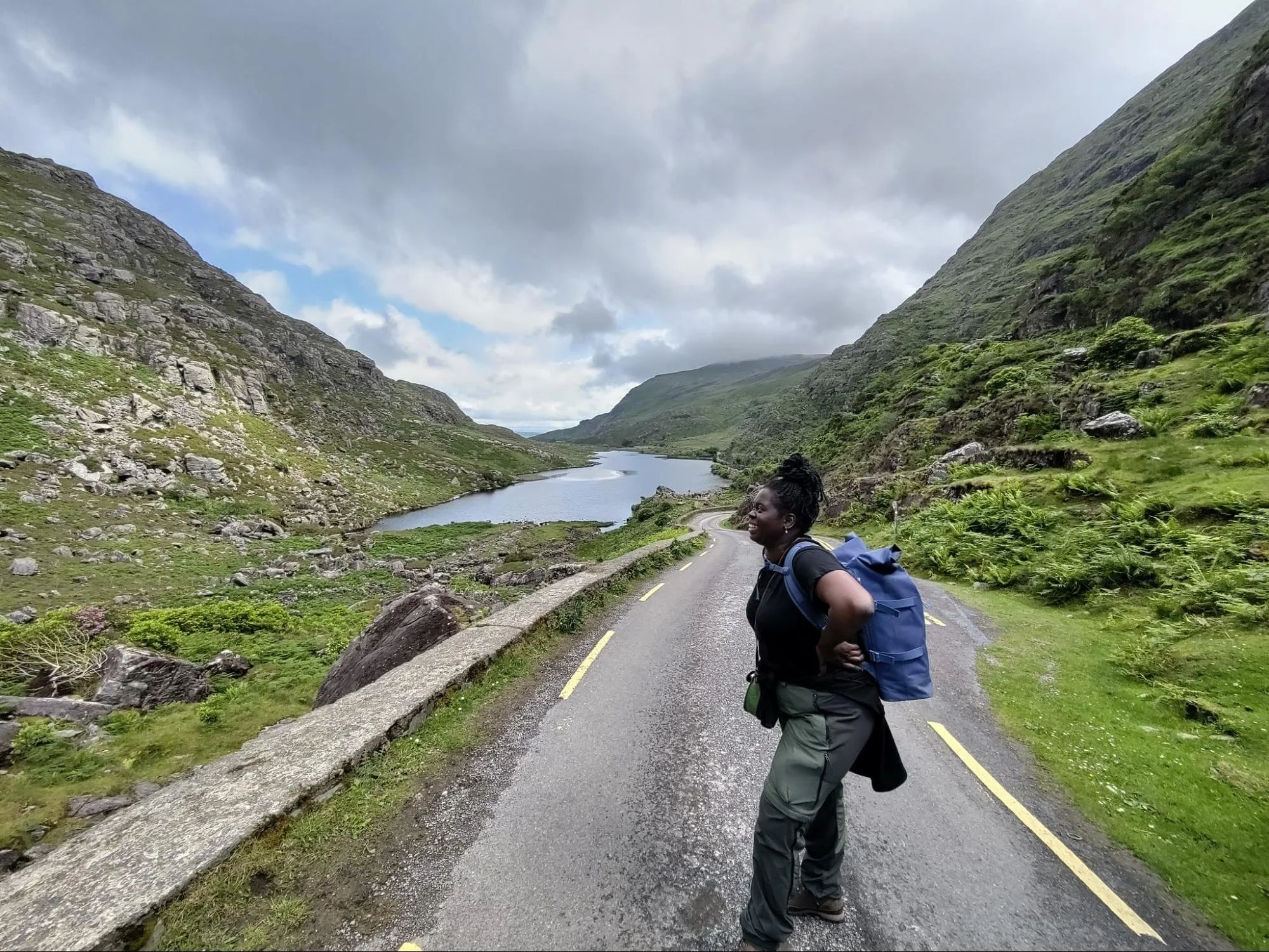
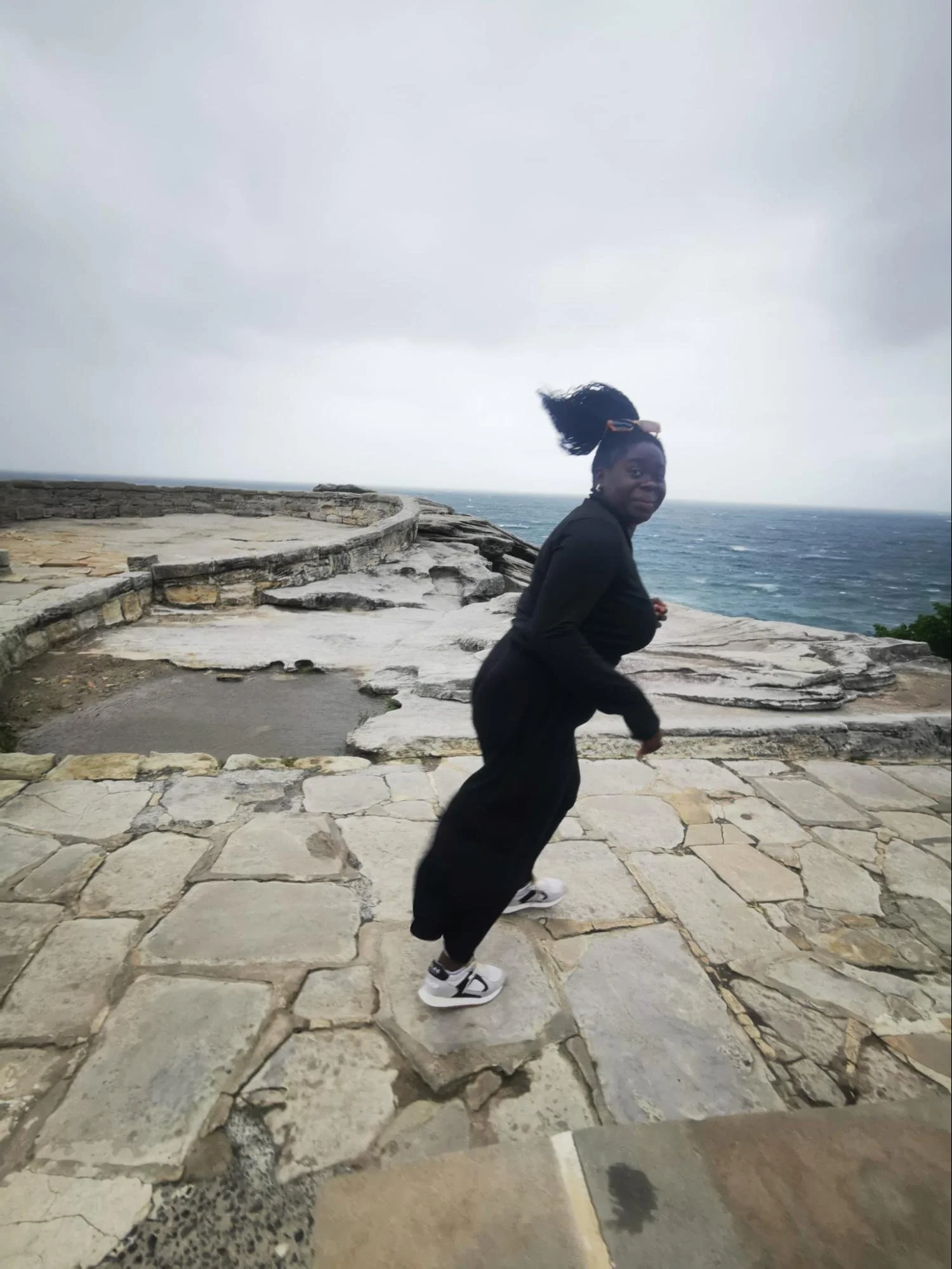
I love games. Life is a game to me. I'll turn anything into one. Board games, rock-paper-scissors, and "the floor is lava" with friends. My favorite right now is The Crew. Otherwise, you'll find me in a bookshop, or walking — I'm currently working my way through the NS-wandeling routes, which are these station-to-station walks organized by the Dutch railway network. That playful side of me is probably my mixed Congolese-Irish social heritage — these cultures both know how to make life a bit lighter.