

A Nairobi climate policy was stuck — until citizens got involved
/Written by Ryan Ong, Communications Coordinator
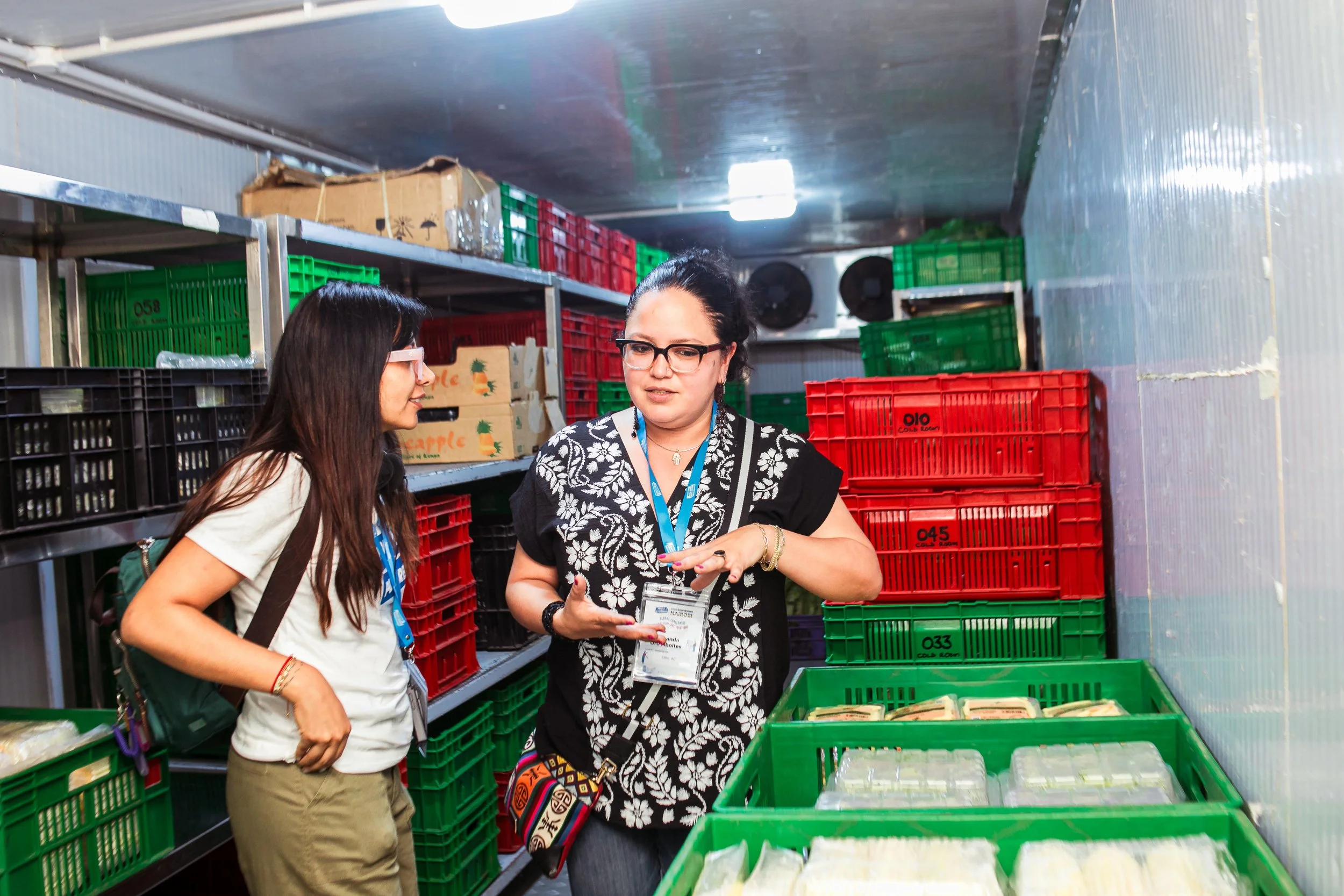
In March 2026, two buses carrying 85 attendees from People Powered's Global Convening pulled up to City Park Market in Nairobi. They had come to see something unusual: large, vibrant yellow containers amidst the buzz of people buying their fruits and vegetables.
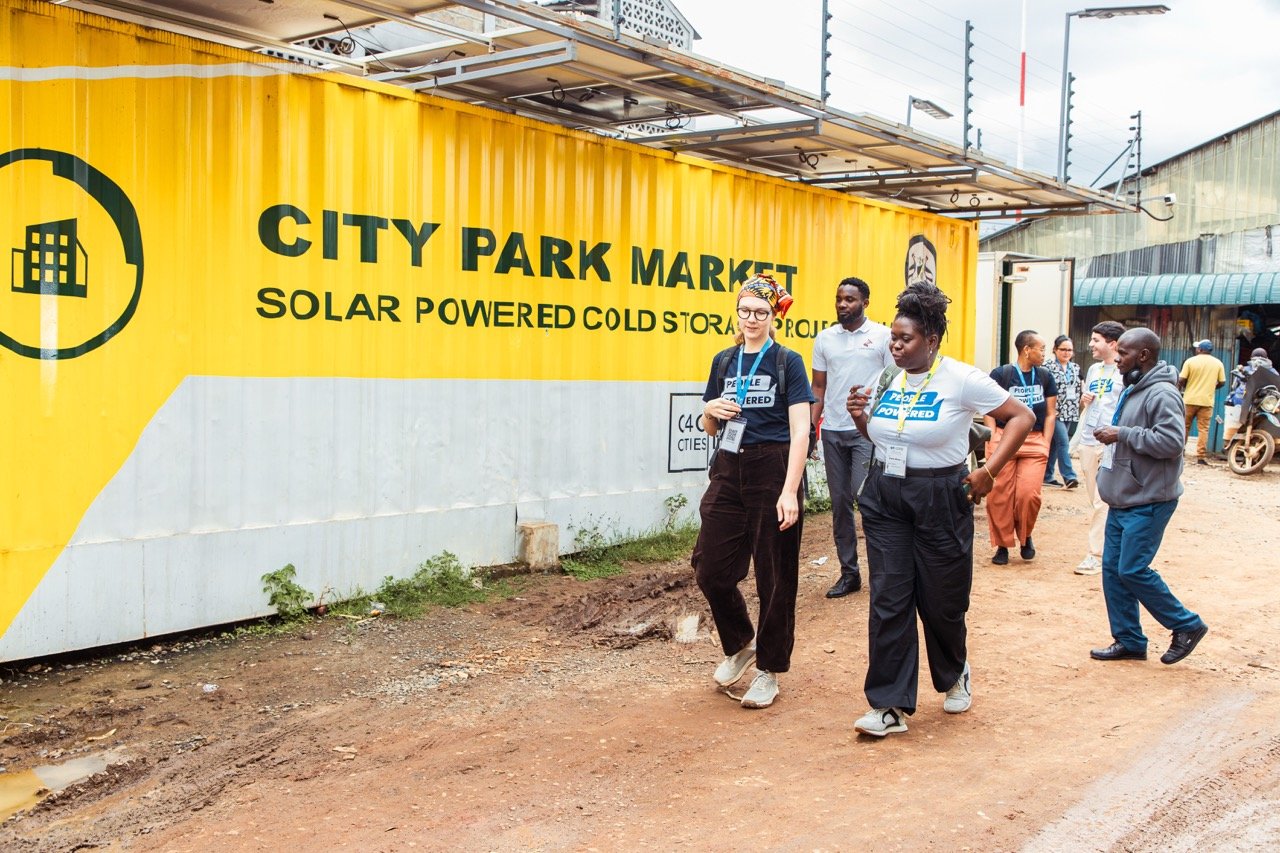
Photo taken from the site visit day at People Powered 2026 Convening
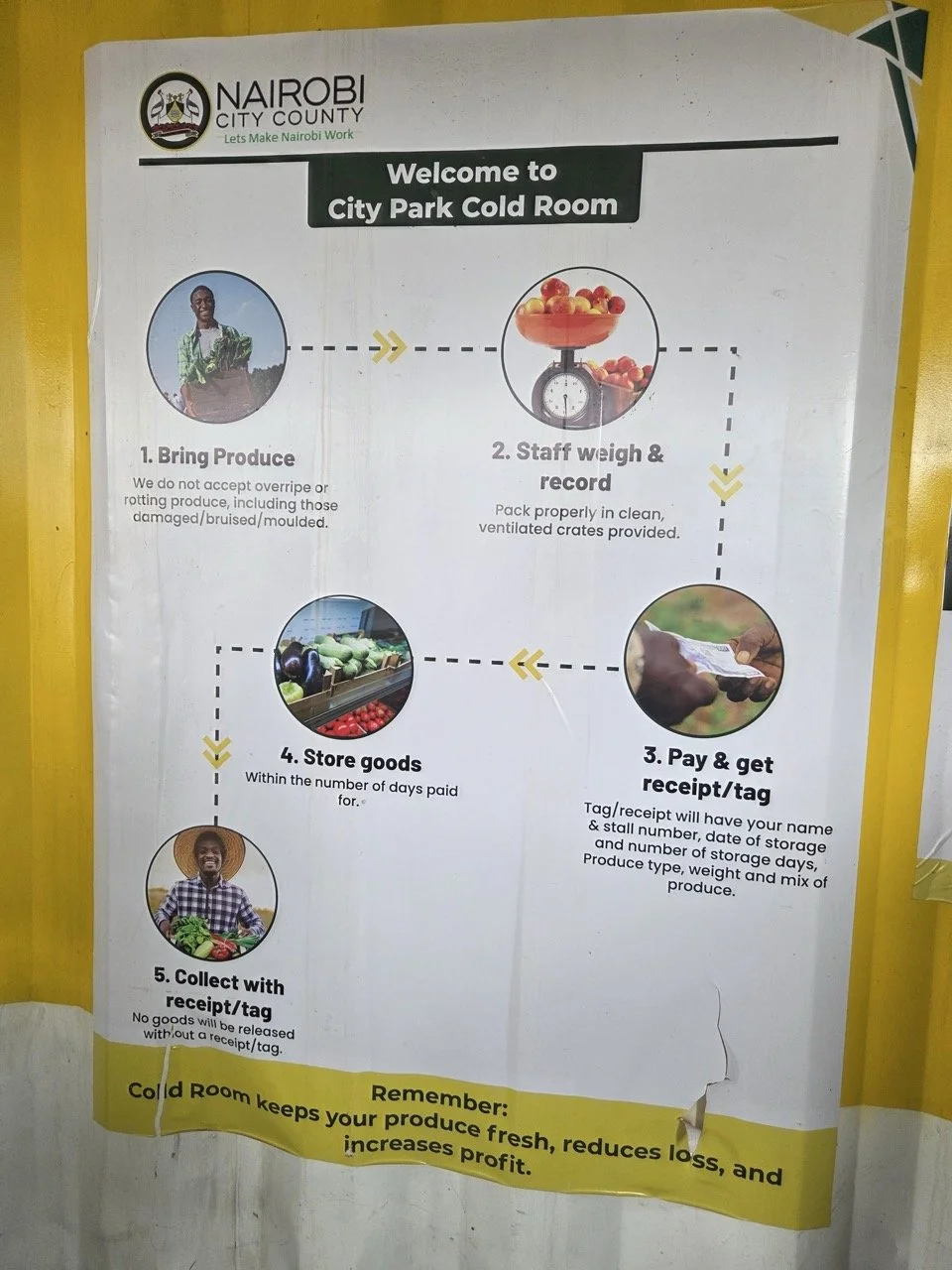
It was a solar-powered cold storage facility where traders once lost immense amounts of fresh produce daily to spoilage, now preserving it — the result of a climate initiative that grew out of participatory engagement between the Nairobi City County Government and a local civic tech organization called Civic Voices. The cold storage facility was not the first result of Civic Voices’ participatory climate work with Nairobi City County. It was the next one. The relationship began with a harder challenge: helping unblock Nairobi’s stalled transition to cleaner public transport.
Nearly three years earlier, Civic Voices — then known as Youth Voice for Peace — joined People Powered’s Climate Democracy Accelerator as a small community-based organization already embedded in Nairobi’s civic landscape. They were looking for a more structured way to approach one of the city’s most contested climate policy challenges.
Their journey shows how accelerator support can continue to grow after a program ends, strengthening local practice, deepening relationships with public institutions, and eventually bringing that learning back into the People Powered member community.
The climate policy stalemate

A matatu emits polluting exhaust fumes in Nairobi, Kenya. Photo by Jack Kavanagh/UN Environment
According to the Clean Air Fund, Nairobi is home to an estimated 5.3 million people, and around 70% of residents rely on public transport buses/matatus, and road transport is the main source of the city’s PM2.5 concentrations at 40%. To respond to this, the Nairobi City County Government enacted the Air Quality Bill in 2022 and began planning a transition to larger-capacity electric buses.
The policy was sound. But the implementation approach hit a wall.
Matatu owners and operators saw the transition as an existential threat to their livelihoods. The industry is privately run, deeply organized, and politically influential. When the county government tried to push the policy forward, the resistance was fierce.
“It felt like an instant restructuring of the system and the economy,” recalls Collins Ouma, Civic Voices’ executive director. “They felt threatened by it, and there was a lot of pushback.”
The policy stalled. Directives were issued, plans were drawn up, but nothing moved. The political will was there, but the missing ingredient was trust.
The participatory approach
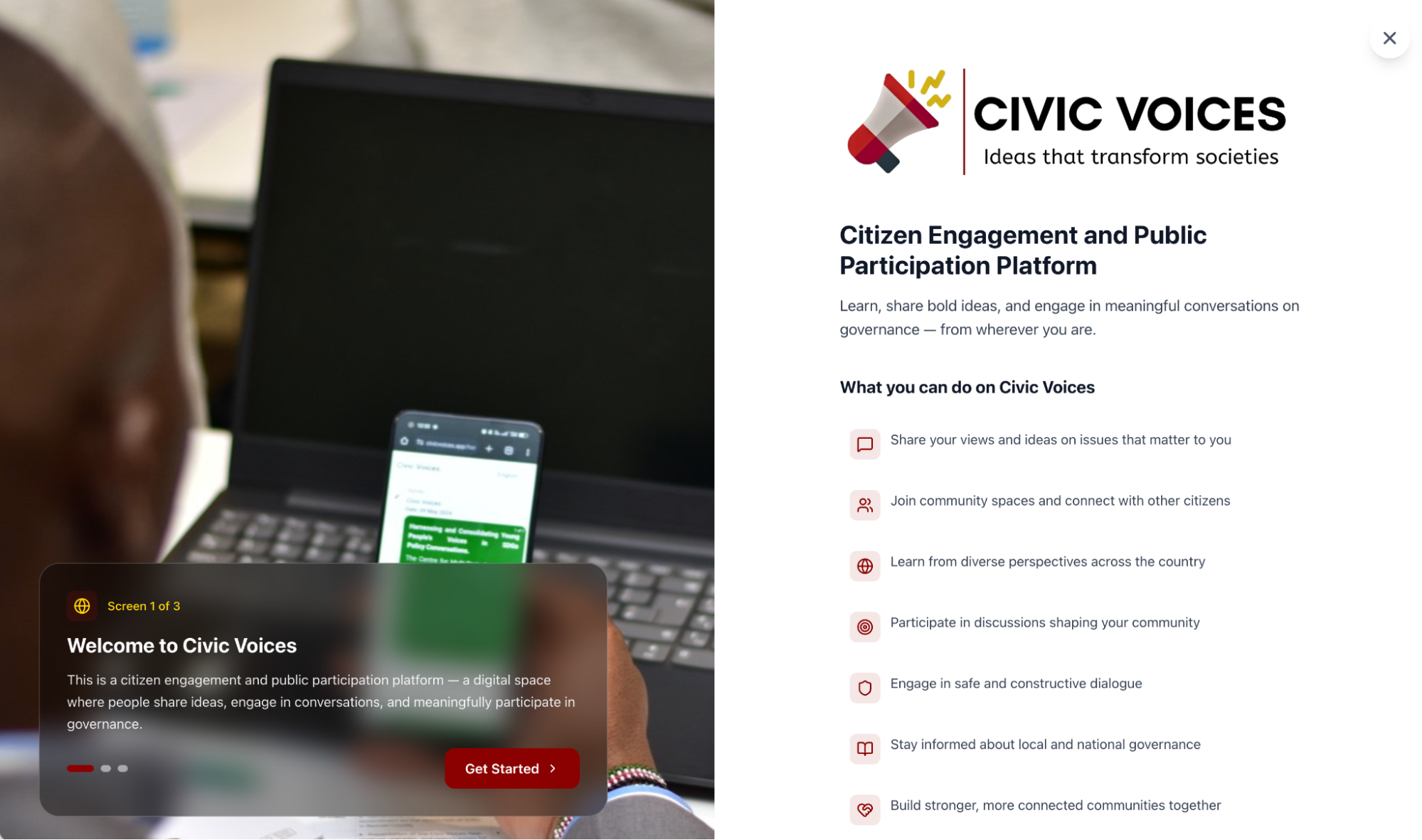
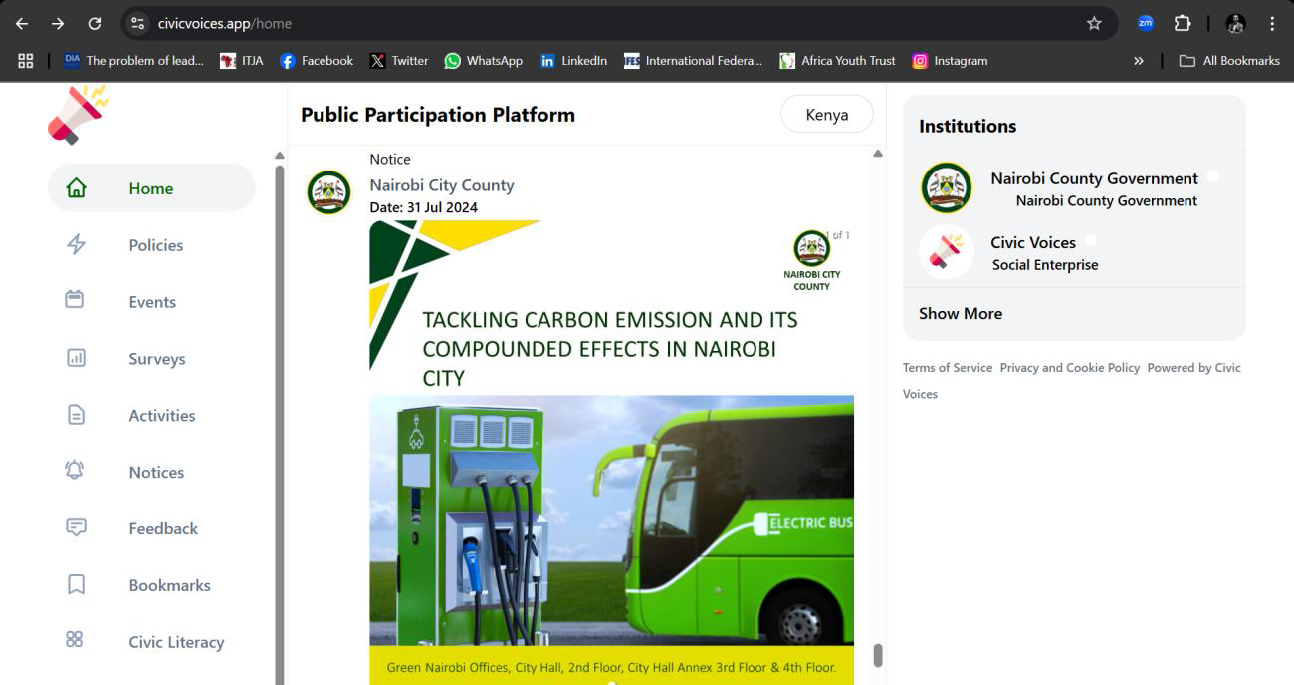
Civic Voices (then Youth Voice for Peace) had already been working with the Nairobi City County Government's Department of Public Participation on digitizing civic engagement through the Civic Voices Platform — an app designed to make public participation more accessible and inclusive. When the Climate Democracy Accelerator application opened in 2023, Ouma saw an opportunity to apply participatory policymaking methods to the e-bus stalemate.
People Powered did not replace Civic Voices’ local knowledge. It helped strengthen the method: giving the team tools, peer learning, mentorship, and a clearer participatory policymaking structure they could adapt to Nairobi’s political and transport realities. As Ouma puts it: "We've been doing engagements before, but [the CDA] put more structure to it and more intentionality in the tiny steps that most of the time will be overlooked."
Over the project period from mid to late 2024, the team organized a series of multi-stakeholder forums — bringing together county government officials, matatu owners and operators, environmental experts, civil society organizations, and citizen groups. They used a hybrid model: face-to-face forums at venues like City Hall alongside digital engagement through the Civic Voices Platform.
The forums gave stakeholders space to name the practical concerns behind the resistance: livelihoods, routes, costs, ownership, and the fear that the transition would be imposed without protecting those already working in the sector. Civic Voices’ role was to help turn that resistance into a structured conversation about how implementation could happen more gradually and with greater trust.
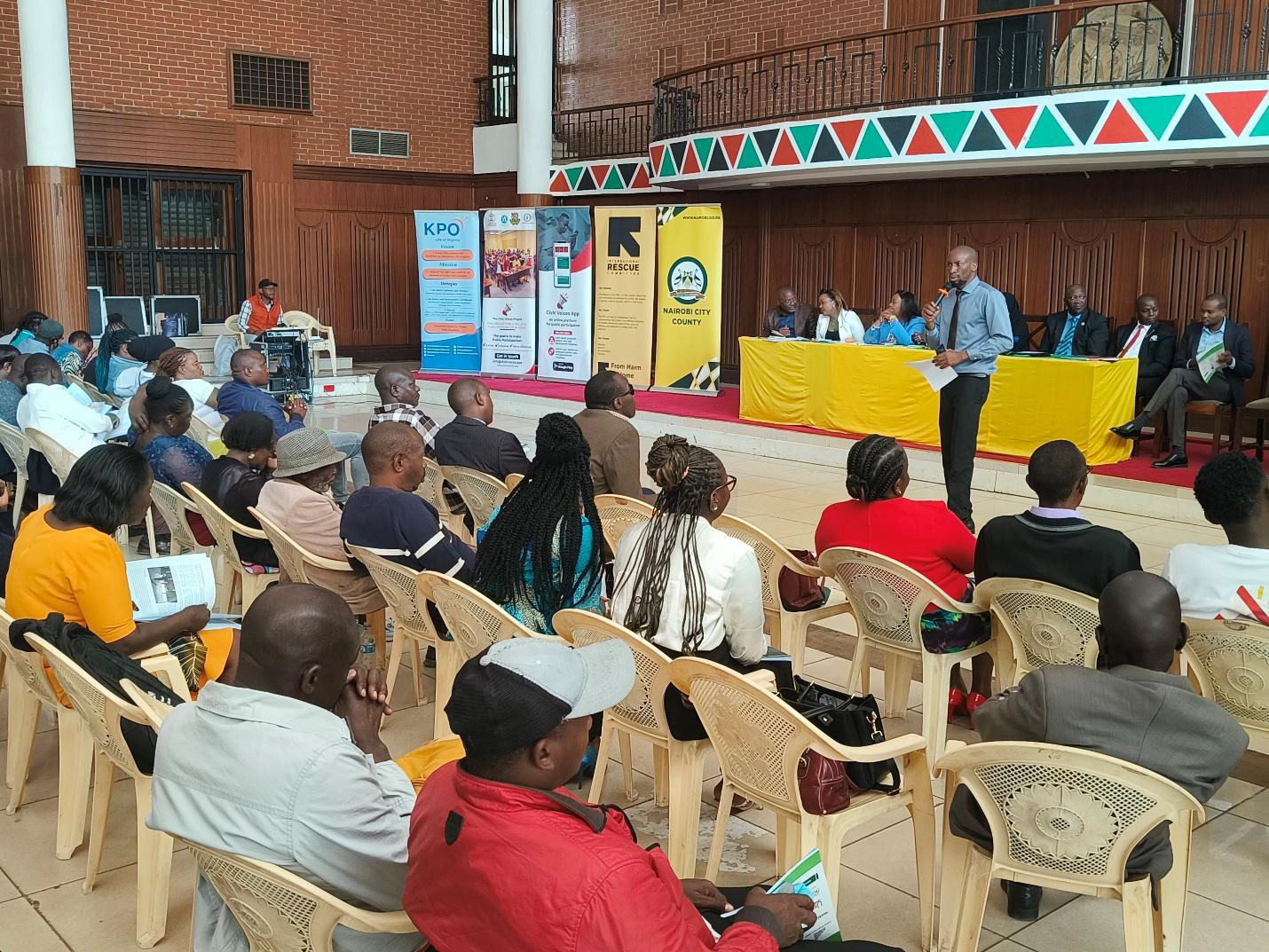
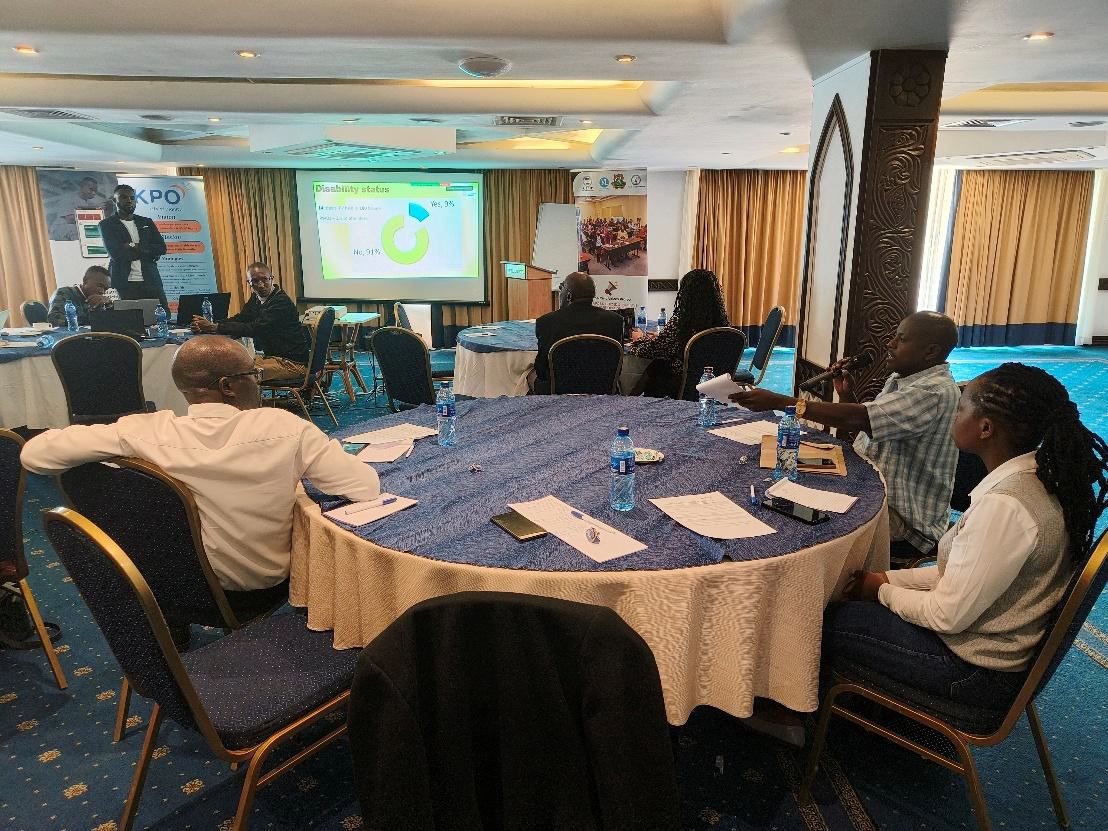
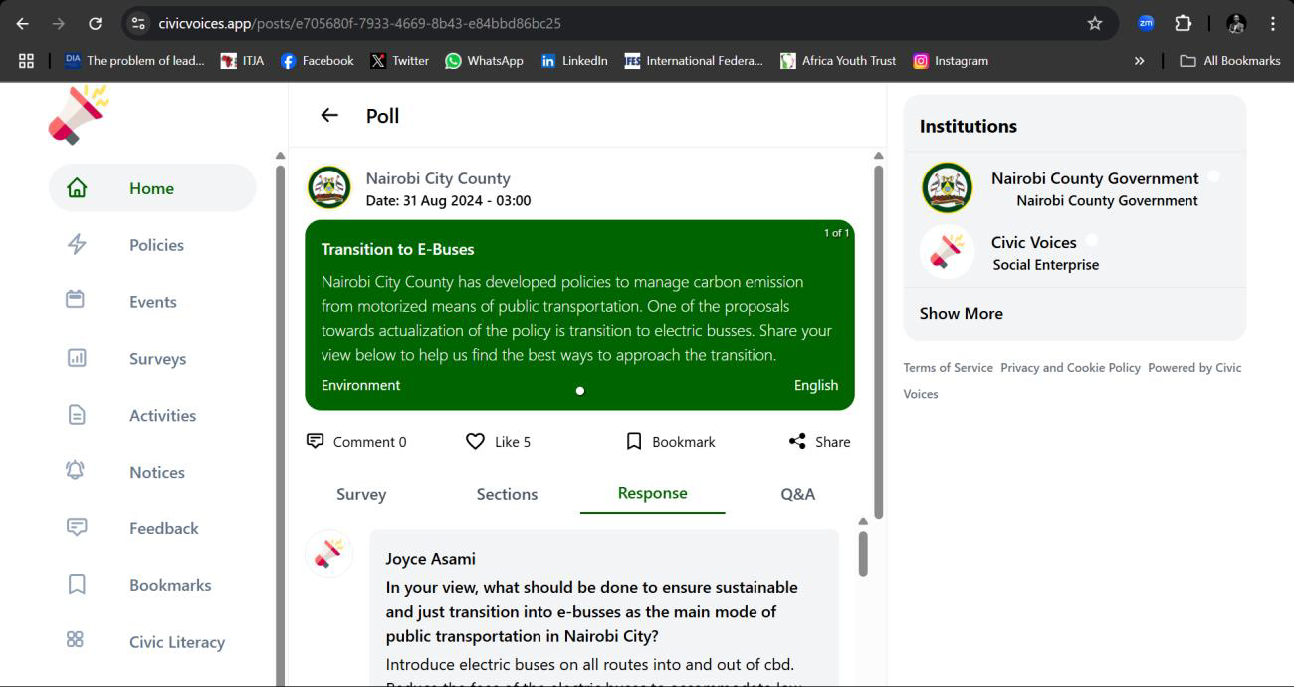
The early stages were the hardest. Matatu owners resisted sitting down with county officials they saw as adversaries. "These people didn’t listen," Ouma recalls. The breakthrough came through persistence, and through framing the conversation around shared interests rather than imposed mandates. Once participants understood that the transition would be phased rather than immediate, and that their role in the industry would be protected, the dynamic shifted. The shift required willingness on both sides — the county government's openness to a participatory approach was as important as Civic Voices' role in facilitating it.
The team also held targeted engagement forums with groups whose voices are often absent from policy discussions — youth, women, and persons with disabilities — ensuring the process didn't just include the loudest stakeholders.
The breakthrough
The results were concrete. Through sustained engagement, matatu cooperatives across Nairobi moved from resistance to agreeing to pilot electric buses - a major shift from the earlier stalemate. Multiple routes now operate solar-powered and electric buses, and demand is growing.
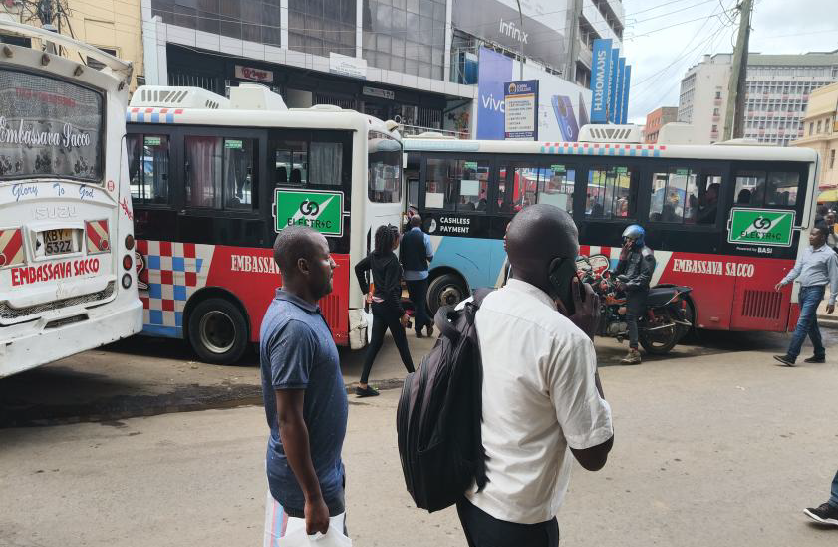
"People are preferring the quiet of the buses," says Daniel Orogo, Civic Voices' Programs Director, describing a shift that has moved beyond policy compliance into genuine preference. This finding strengthened the commercial argument for Matatus as well.
But the impact didn't stop at the e-bus transition. The county government's trust in Civic Voices grew to the point that they were invited to join the Nairobi City Air Quality Working Group — a multi-stakeholder body that continues collaborative work to reduce emissions.
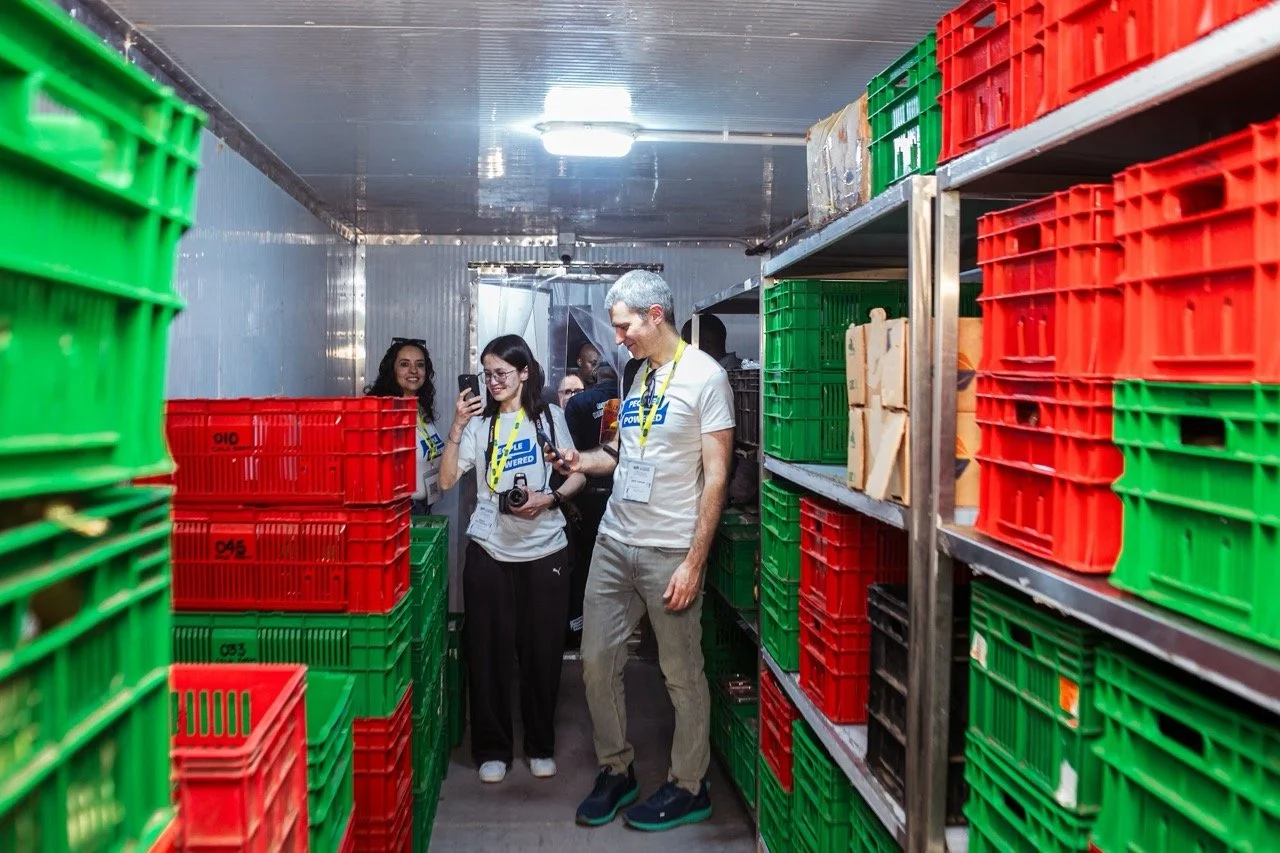
That growing trust opened the door to new opportunities. Civic Voices was later brought in to lead community consultations for the C40 Cities-sponsored energy transition project at the City Park Market, drawing on lessons from the CDA and experience gained through the matatu project. It resulted in a solar-powered cold storage facility that now serves over 160 traders daily and diverts an estimated 100 tonnes of organic waste from landfills each year.
From Accelerator graduate to People Powered member
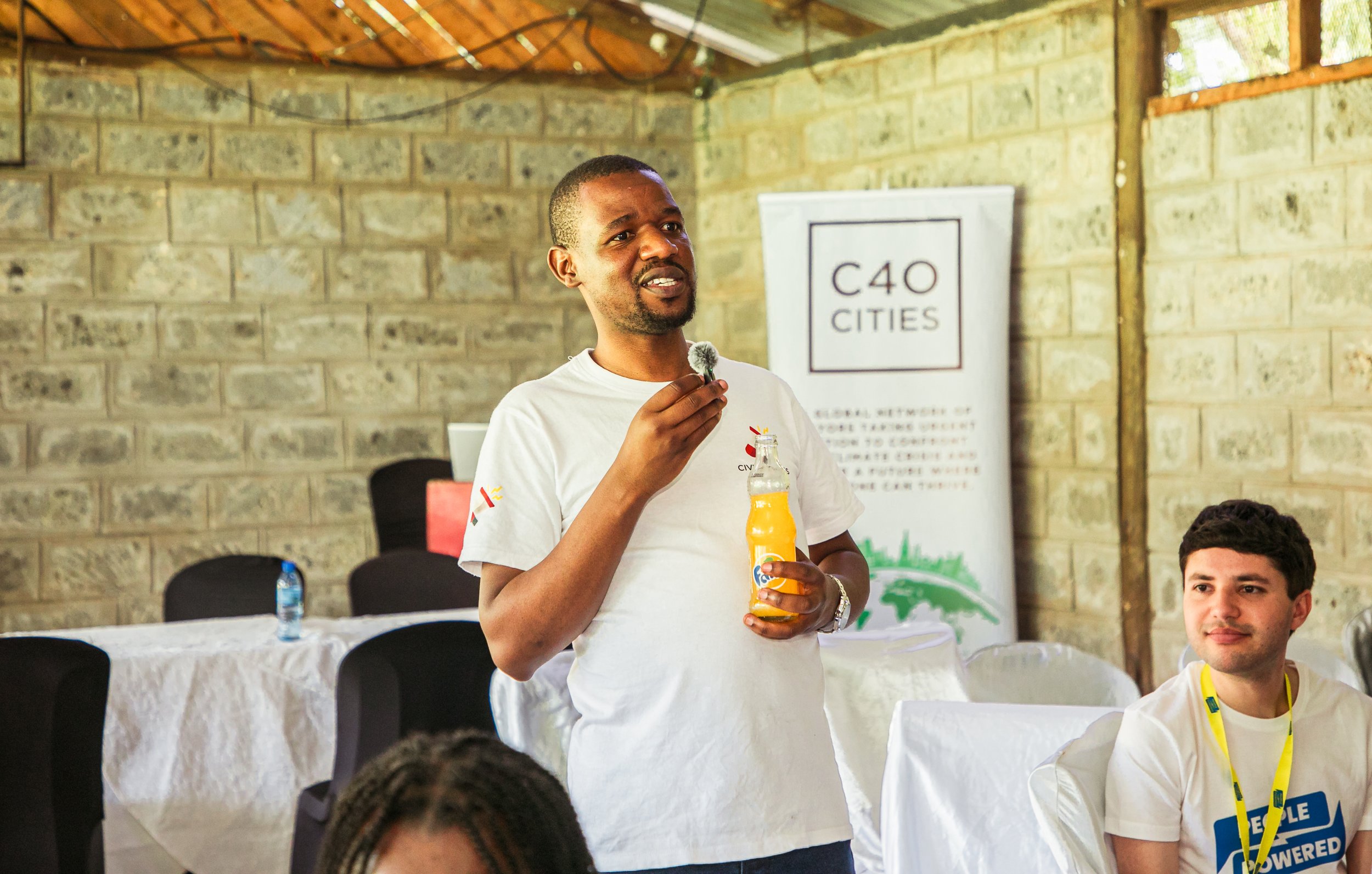
Civic Voices’ relationship with People Powered did not end with the accelerator. After continuing to work with Nairobi City County and applying participatory approaches beyond the original CDA project, they were invited to share that work with the wider People Powered community. When the People Powered 2026 Convening was held in Nairobi, Civic Voices was invited to host a site-visit route to see the climate impacts of their Matatu and City Park Market projects. For Daniel, it was a milestone.
"Until we hosted the convening, we were hoping for more people to see the impact of the CDA in Nairobi," he says. "Now people know. It was not just a tour, but one to see tangible results."
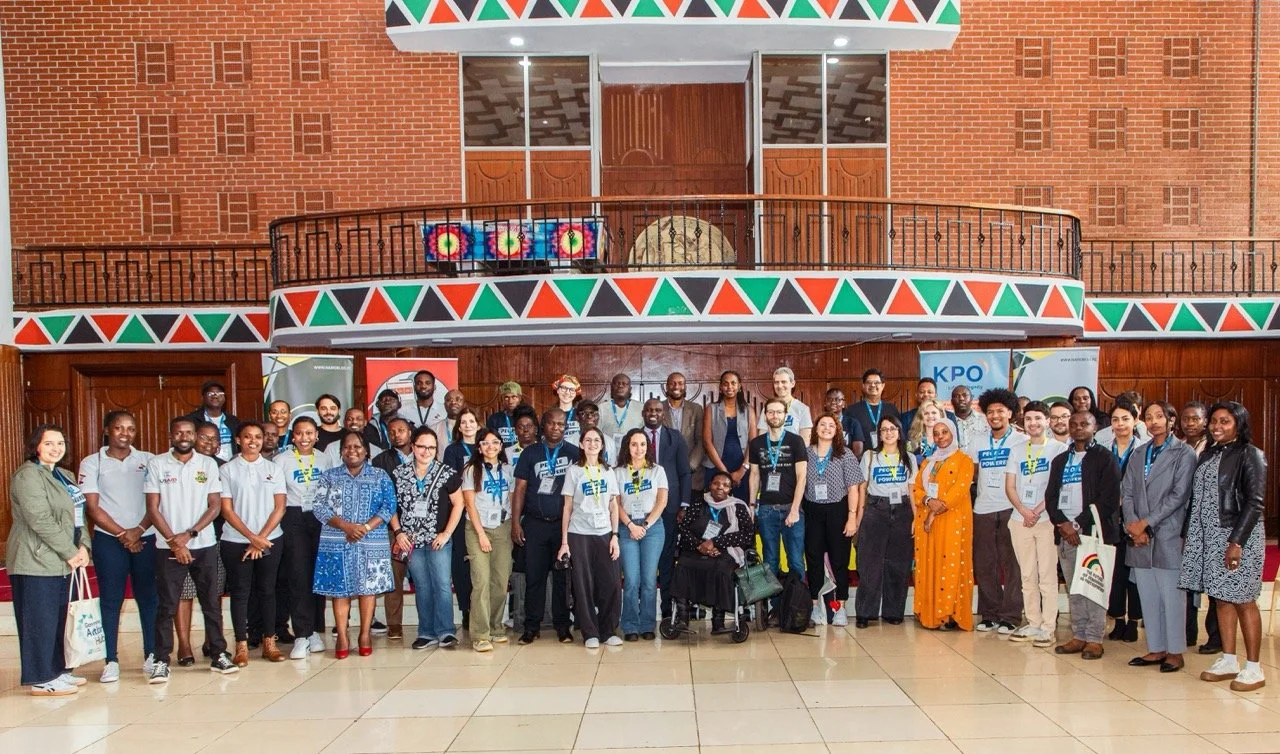

County government officials who attended the site visit saw the international representation and, as Daniel describes it, gained a new level of respect for Civic Voices' credibility and connections. For the organization, it was proof that the work had substance — and that it resonated beyond Kenya.
In the wake of the convening, Civic Voices formalized what had been building for years: they became People Powered members – it was a source of pride. "I saw People Powered’s work and I told Ouma, one day we will work with People Powered," Daniel recalls. "Now we are People Powered members."
What's ahead
Civic Voices is scaling. The organization is expanding the Civic Voices Platform to other Kenyan counties and exploring new participatory programs. The same lesson now shapes their next phase: participation works best when it is not treated as a one-off consultation, but as a way to build trust, surface real concerns, and move public decisions forward. Ahead of the Kenyan general elections, this includes drawing on insights from People Powered-led Democracy Narrative Alliance to engage young Kenyans in the electoral process.
For People Powered, Civic Voices' journey illustrates what the accelerator model is designed to do: set in motion impact that multiplies long after the program ends.
"We really envision a Kenya where voices are amplified, and people can meaningfully participate in inclusive democratic practices," says Daniel. "And then, the rest of Africa."
Civic Voices Initiative is a People Powered member based in Nairobi, Kenya. Learn more at civic-voices.org. Collins Ouma participated in the CDA Cohort 2 (2023-2024).
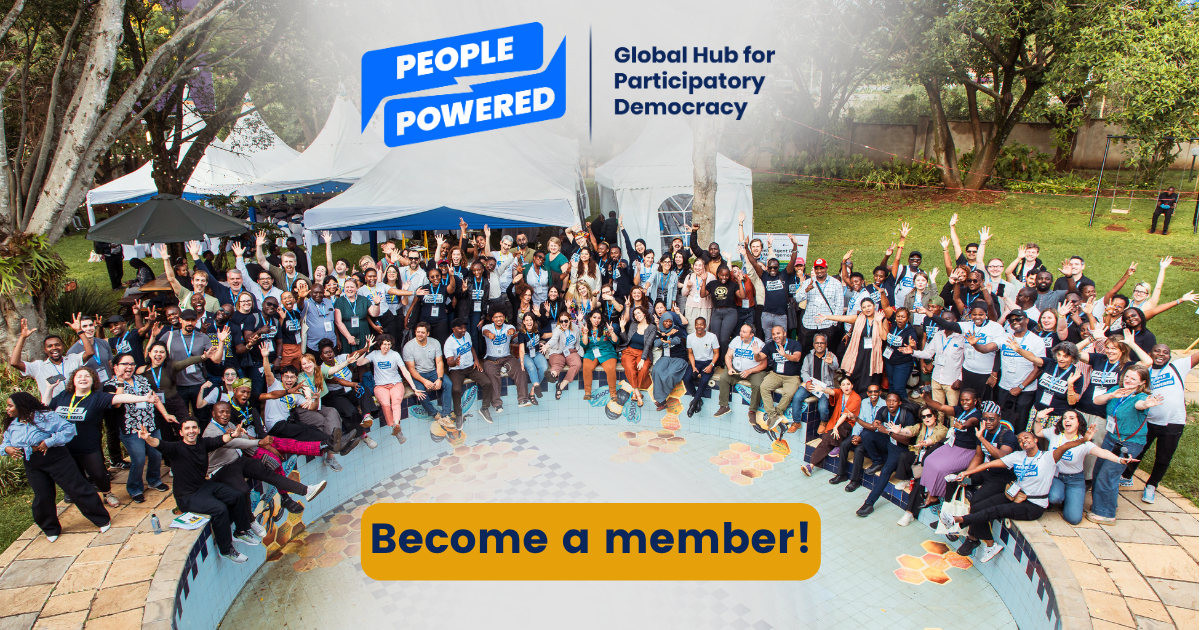
If Civic Voices’ journey resonates with your work, there are two ways to connect with People Powered: learn more and apply for the Climate Democracy Accelerator or Rising Stars Mentorship by July 3, or apply for membership if you already have experience running participatory programs.