

Meet our new Community Manager, Christine Odeph!
/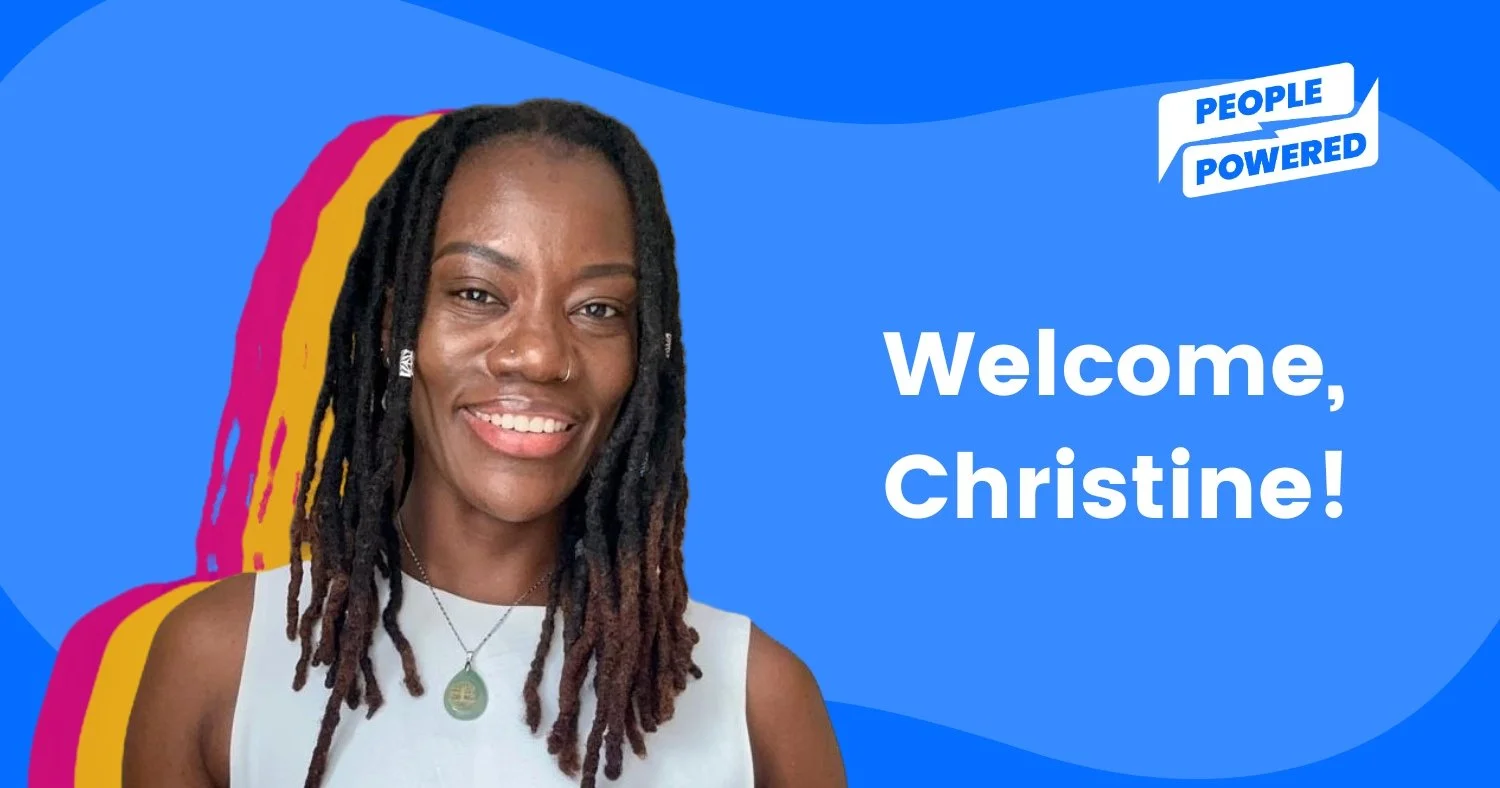
Christine Odeph has spent her career paying attention to what most people rush past: who feels comfortable enough to speak in a room, whose knowledge is already present but unasked for, and what it actually takes to turn a conversation into something people can use.
Her path started in journalism and development communications, where she learned to lead with questions and listen before shaping a story. Over seven years in the non-profit and humanitarian sectors, that instinct evolved into something broader — designing and facilitating spaces where practitioners across countries, languages, and institutional realities could learn from each other and strengthen their work from within.
At People Powered, she takes on the role of Community Manager — the person responsible for how 300+ members around the world connect with each other, learn together, and put that learning to use. It's a role that sits at the heart of what makes a global network feel like more than a mailing list.
We asked Christine about what draws her to this work, how she thinks about building community across very different contexts, and what she's paying attention to as she gets to know our members.
1. What does community mean to you — and how has that shaped the work you do?
For me, community is not just a group of people in the same space. It is what happens when people feel enough trust, clarity, and purpose to show up honestly and learn from one another.
That has shaped a lot of how I approach my work. I’m always thinking about what makes a space feel useful: who is in the room, who feels comfortable speaking, what knowledge is already present, and what support people need to move from conversation to practice. In global networks, especially, the community experience has to be designed with care. People are working across different languages, regions, levels of power, and institutional realities. So the work is not only about bringing people together, but helping make those connections meaningful, memorable, and practical.
2. What drew you to participatory democracy, and to People Powered specifically?
I’ve always been interested in the gap between people’s lived realities and the systems meant to serve them. Earlier in my career, working in journalism and development communications, I learned the importance of asking better questions and paying attention to whose voices are missing from the story.
Participatory democracy speaks directly to that. At its best, it creates ways for people to move from being consulted to actually shaping decisions that affect their lives. That feels especially important now, when so many people feel disconnected from institutions or unsure whether their voice matters.
People Powered stood out to me because it is not only talking about participation as an idea. It is supporting people who are trying to make it work in practice — governments, civil society organizations, researchers, advocates, and practitioners learning from one another across contexts. That practical, global, community-driven approach is what drew me in.
3. You've spent years designing spaces for peer learning and knowledge exchange. What have you learned about what makes community actually work — and what makes it fall flat?
What makes it work is relevance. People come back to a community when it helps them with something real: a question they are holding, a challenge they are facing, a connection they need, or a decision they are trying to make.
Good participation also depends on how a space is held. It is not enough to invite people in and assume they will speak. The design matters: the prompts, the pacing, the tone, the follow-up, and whether people can see how their input is used.
Where participation falls flat is when it becomes too performative or too vague. People can sense when they are being asked to contribute without a clear purpose, or when nothing changes afterward. That can create fatigue. So for me, the question is always: are we making participation easier, more useful, and more honest for the people involved?
4. What are you most curious about as you get to know the People Powered member community?
I’m curious about what members are actually working through day to day.
What are the questions they keep coming back to? Where do they feel supported? Where do they feel stuck? What kinds of connections are most useful to them? I’m especially interested in how members move from learning to action — how an idea, resource, workshop, or conversation becomes something they can apply in their own context.
I’m also curious about the quieter parts of the community: the people who are interested but busy, the members who engage occasionally, the connections that could happen but haven’t yet. A strong community is not only built around the most active voices. It also pays attention to how different people participate at different moments.
5. What's Christine like outside of work?
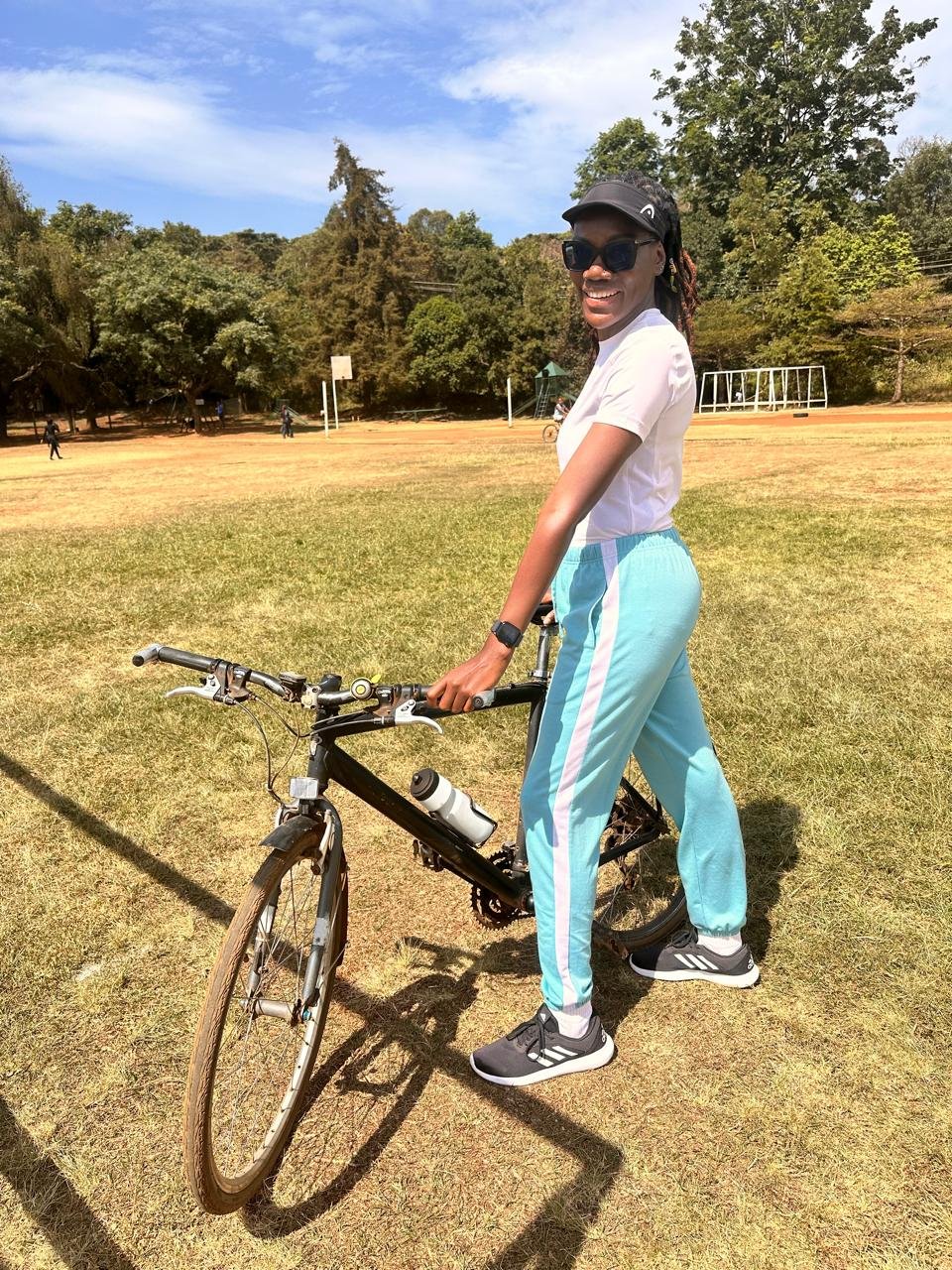
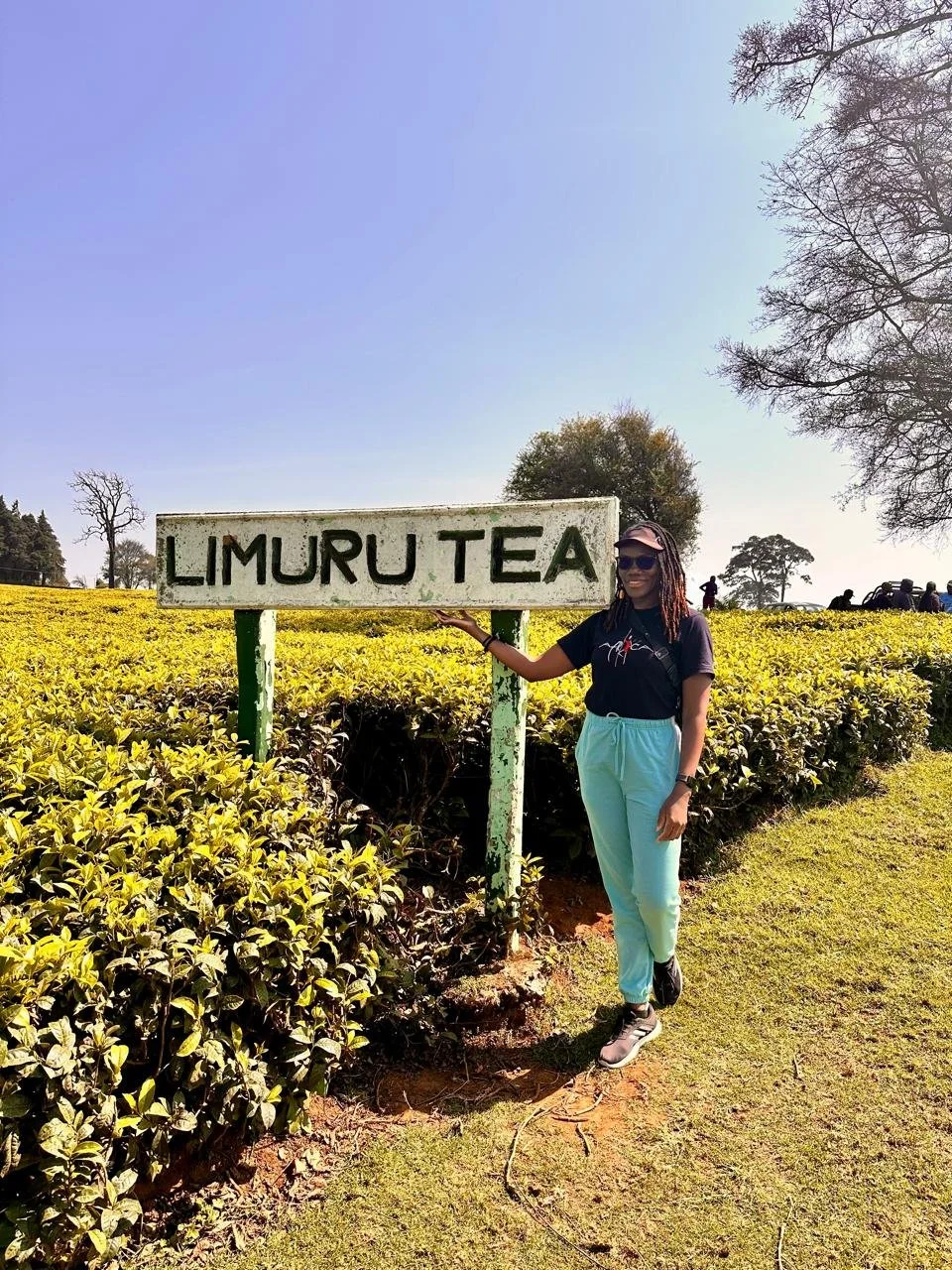
Outside of work, I’m a cat mom, a mom to a teenager, and someone who has learned to respect peace and good routines.
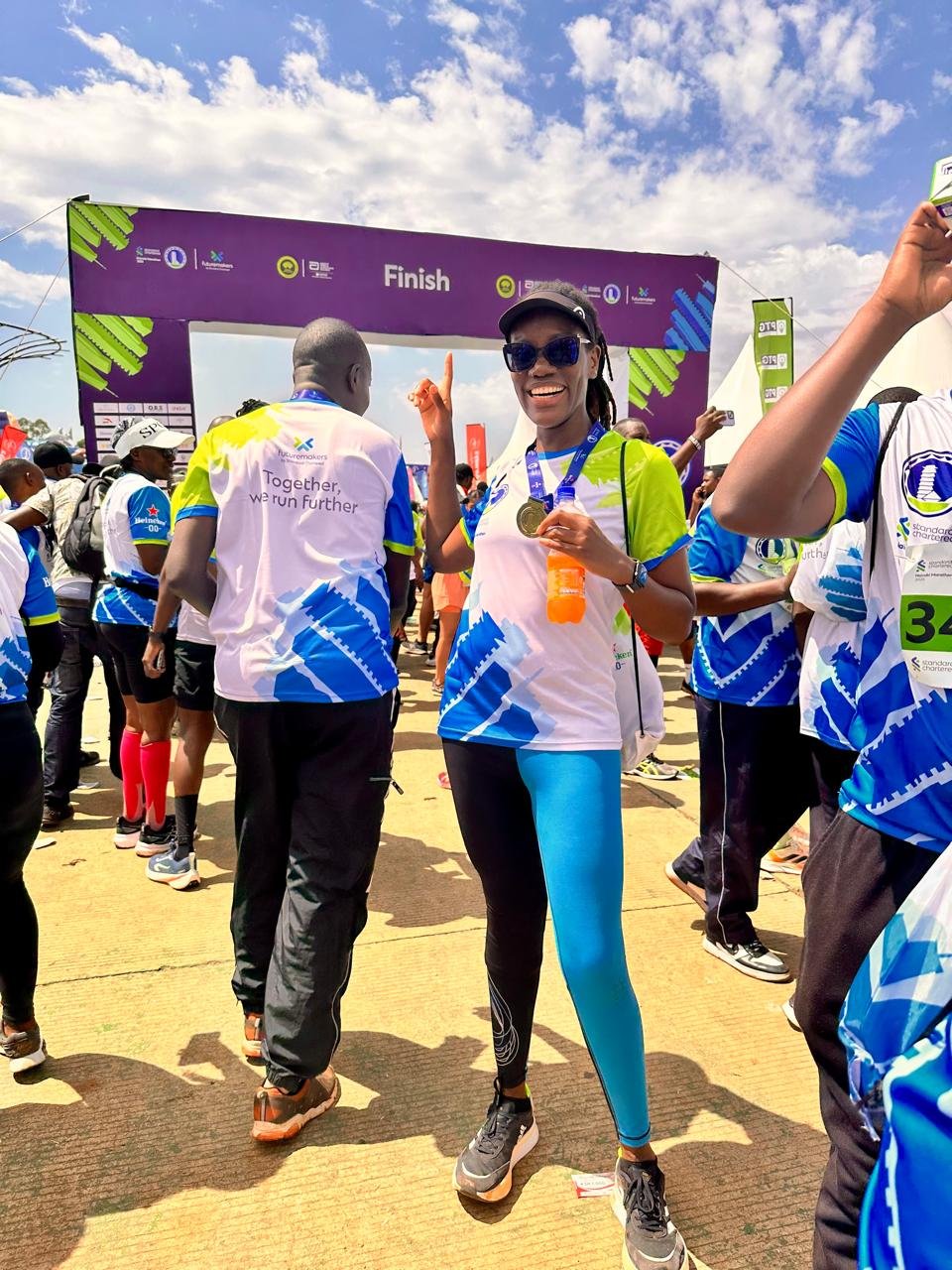
I like staying active, but in a very midlife-honest way 😀 I enjoy walks, slow hikes, and a regular gym routine. I did run a half-marathon to crown turning 40, which I’m proud of — but unless something is on fire or someone is in danger, I don’t feel a deep spiritual calling toward stressful exercise.
I also love good writing, a beautiful interior detail, a well-earned vacation plan, and quiet moments where nothing is urgently falling apart. I love diving into the unknown, meeting new cultures, and seeing new perspectives. These days, I’m very interested in building a life that feels strong, grounded, and a little bit softer too.
Christine is joining a community of 300 organizations and individuals working on participatory democracy across 50+ countries — and she wants to get to know you.
Members get priority access to flagship programs like the Climate Democracy Accelerator and Rising Stars mentorship, funding and collaboration opportunities, a global peer network, and decision-making power over the network's direction. If you've been doing this work for at least a year, whether you call it participatory democracy, community engagement, or public governance, you're welcome to join!