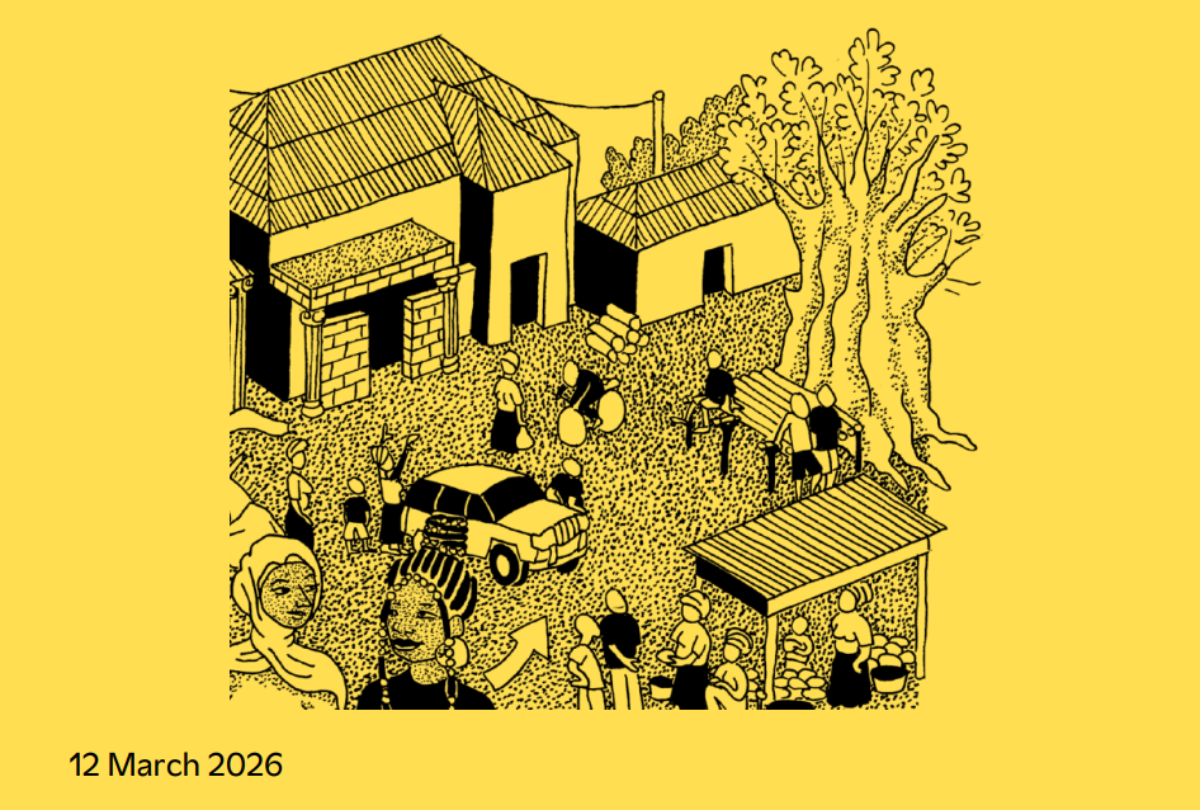



Deliberative democracy in Africa: Learning from past citizens' assemblies & guidance for future action
/This paper explores how citizens' assemblies can be adapted to Africa's diverse contexts by building on indigenous traditions of consensus-building and drawing lessons from real-world experiments.
Co-authored by Rorisang Lekalake and Stephen Buchanan-Clarke, the paper highlights that deliberative democracy is not a "foreign import" to Africa. Instead, it builds on deeply rooted practices like the palaver system in West Africa, the baraza in East Africa, and gacaca courts in Rwanda. The research provides an analytical framework to evaluate the lifecycle of citizens' assemblies — from structural design to long-term democratic impact.
This resource serves as both a theoretical framework and a practical guide for governments, civil society organizations (CSOs), and funders. It addresses the "democratic delivery gap" by offering context-sensitive strategies to institutionalize deliberation, helping to tackle complex issues like climate resilience, public finance, and agriculture.
Source: DemocracyNext
Language: English
Author: Rorisang Lekalake and Stephen Buchanan-Clarke
Year of publication: 2026