



In Indonesia, Communities Are Writing the Climate Policies That Protect Them
/Written by Ryan Gem, Learning and Evaluation Manager
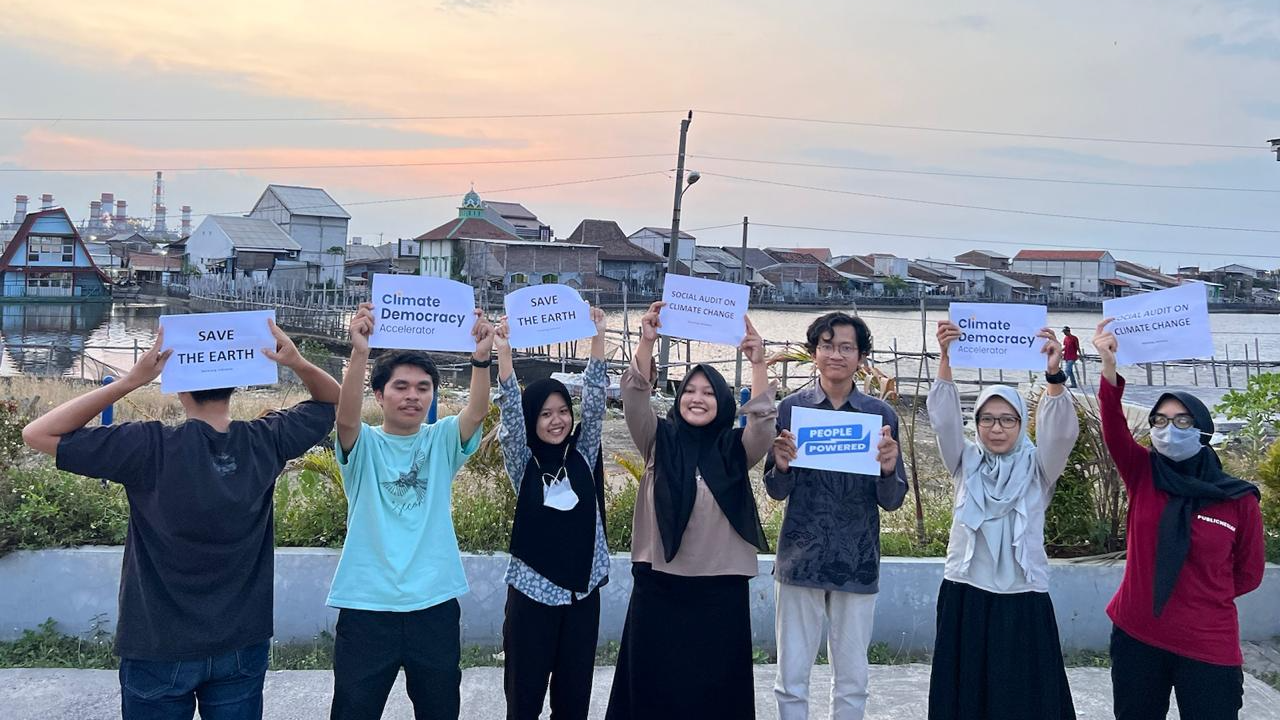
PATTIRO in action
Increasing rates of tidal flooding due to climate change have endangered lives, livelihoods, and infrastructure in Indonesia’s coastal communities. A local organization PATTIRO is ensuring that the communities most affected by flooding have a voice in shaping the policies that will most help to address this persistent problem. Here’s how they used participatory democracy with the support of People Powered.
A Crisis Policies Couldn't Fix
In communities like Tambaklorok, nearly 1,000 households have occupied these coastal areas for generations, mostly depending on marine livelihoods, including small-scale fishing, seafood processing, and fish vending. However, in recent years, rising sea levels have created near-daily tidal floods, which disrupt economic activities, repeatedly damage buildings and homes, and create public health issues by backing up sewage systems and carrying waste into the streets.
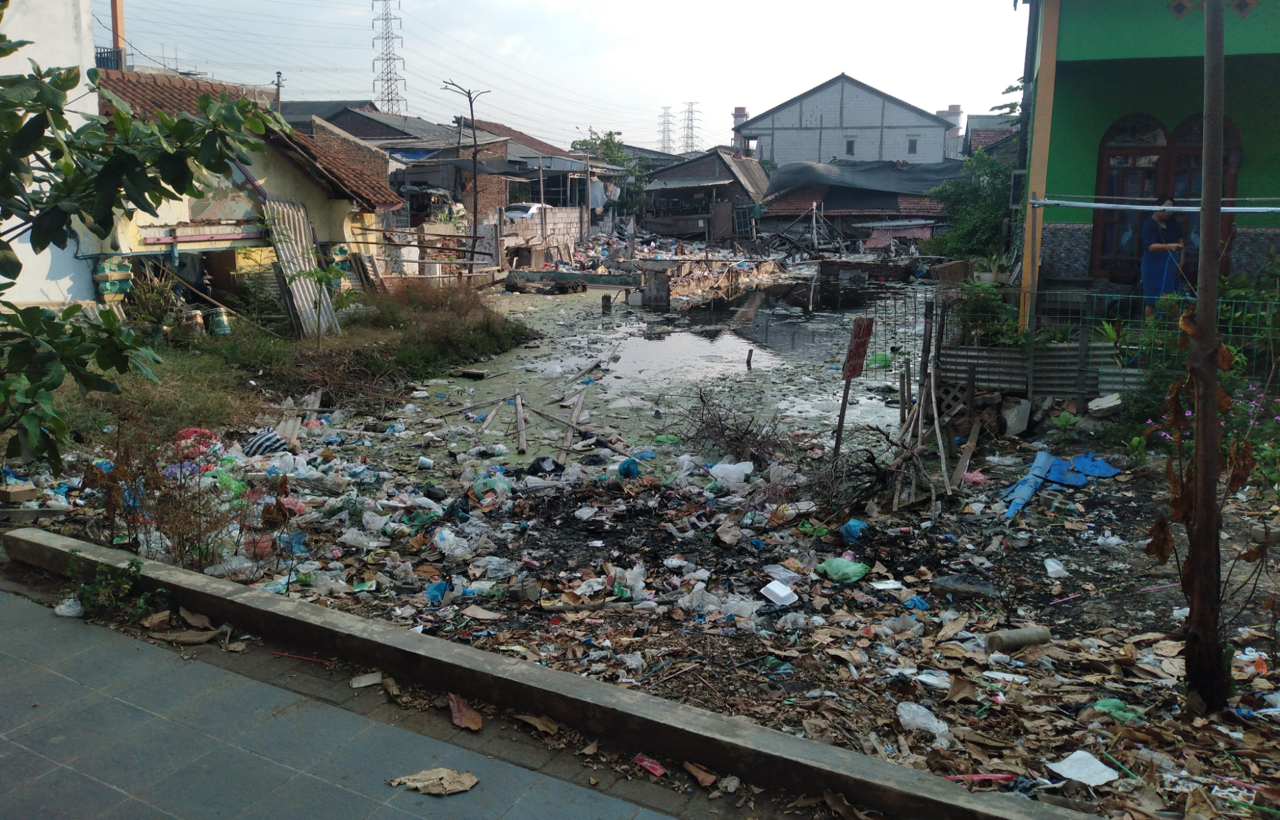
The aftermath of a tidal flood event showing trash washed into the streets & damage to homes
The city government has tried several times to introduce policies to address the problems created by increased tidal flooding, but they have had limited impact largely because those communities most affected by the flooding have not been involved in the decision-making and resource allocation process.
It is difficult for city officials to fully understand the needs of the community and develop appropriate solutions without the perspective of this population. For instance, despite considerable annual investment in drainage infrastructure by the city’s government, residents were still plagued by repeated flooding due to inadequate maintenance and blockages resulting from insufficient solid waste management systems.
What Happens When You Ask
Recognizing the need for a more participatory approach to address this problem, PATTIRO Semarang, a research, advocacy, and community empowerment organization working to promote transparent and equitable governance, saw an opportunity to introduce a social audit approach into the policy process.
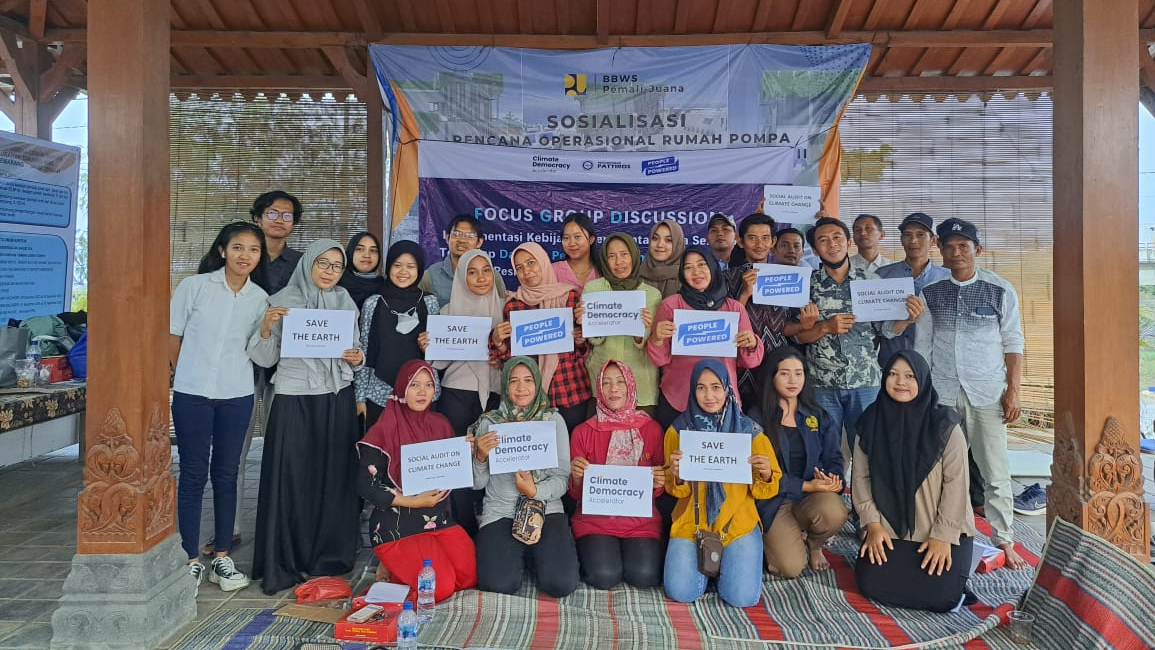
PATTIRO and local communities during consultative processess
Though PATTIRO has a strong track record, having worked in Indonesia since 1999 to facilitate active participation in planning, budgeting, monitoring, and oversight of public services, they sought additional support from People Powered via the Climate Democracy Accelerator (CDA) to develop a plan for applying the social audit process to a climate-related issue.
Over six months in the CDA program, PATTIRO worked with expert mentors to develop a concrete action plan for applying the social audit process to climate-related flooding in Semarang's coastal communities. The CDA equipped PATTIRO with important climate knowledge to help them adapt participatory processes to climate change-related issues. The program also provided seed funding to put that plan into practice — a critical step for an organization with deep governance expertise taking on a climate adaptation challenge for the first time.
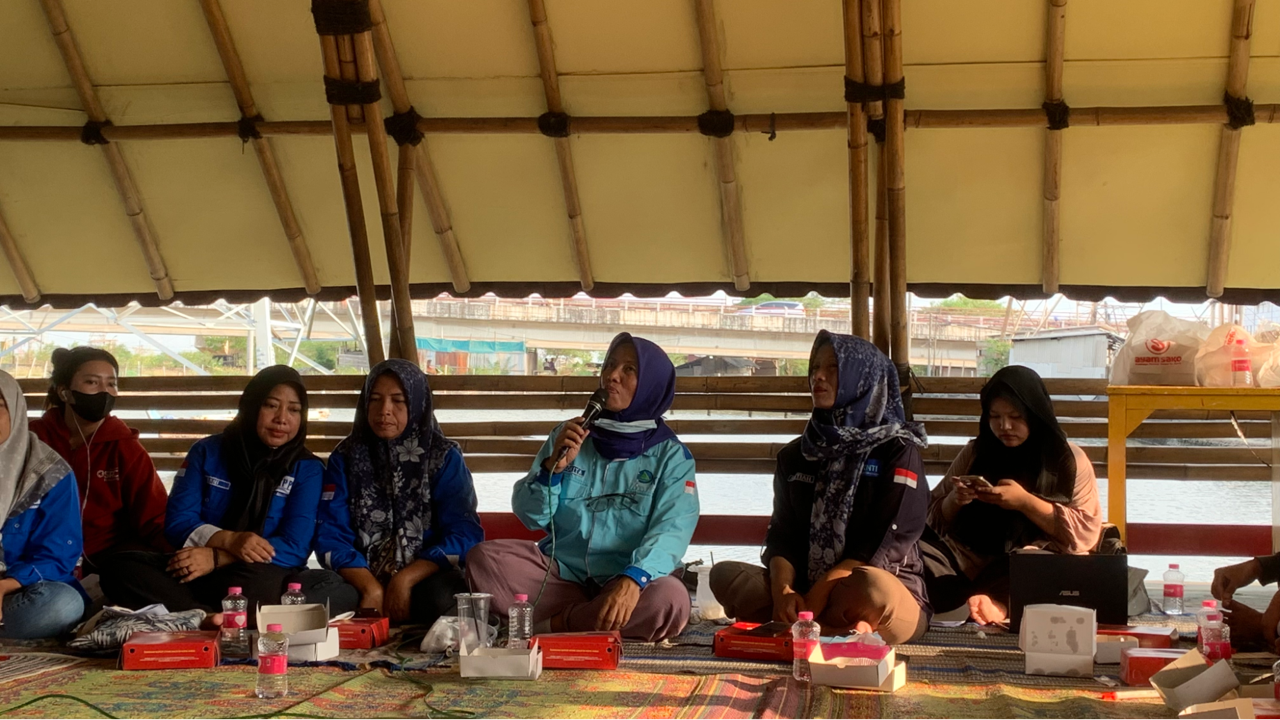
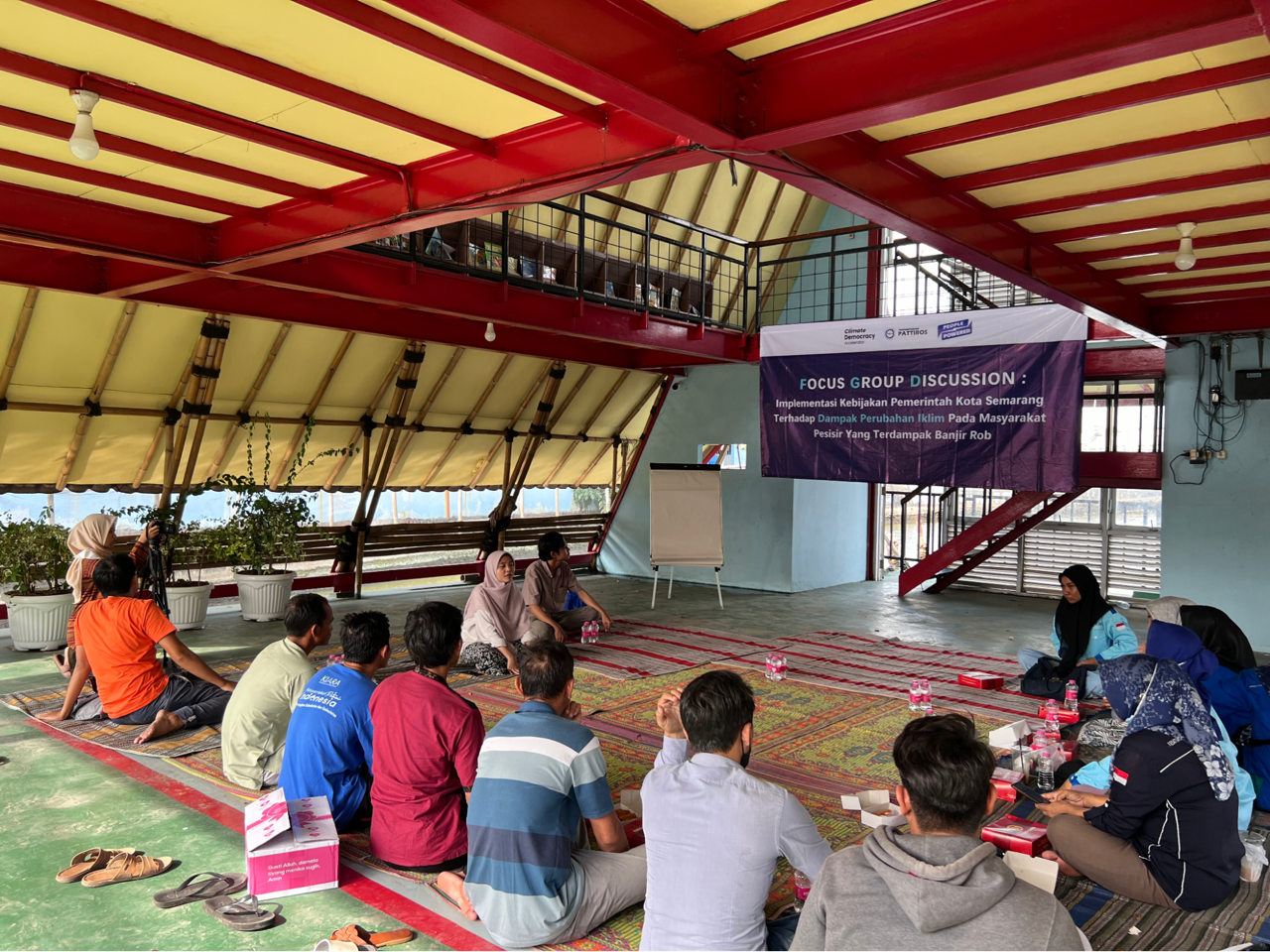
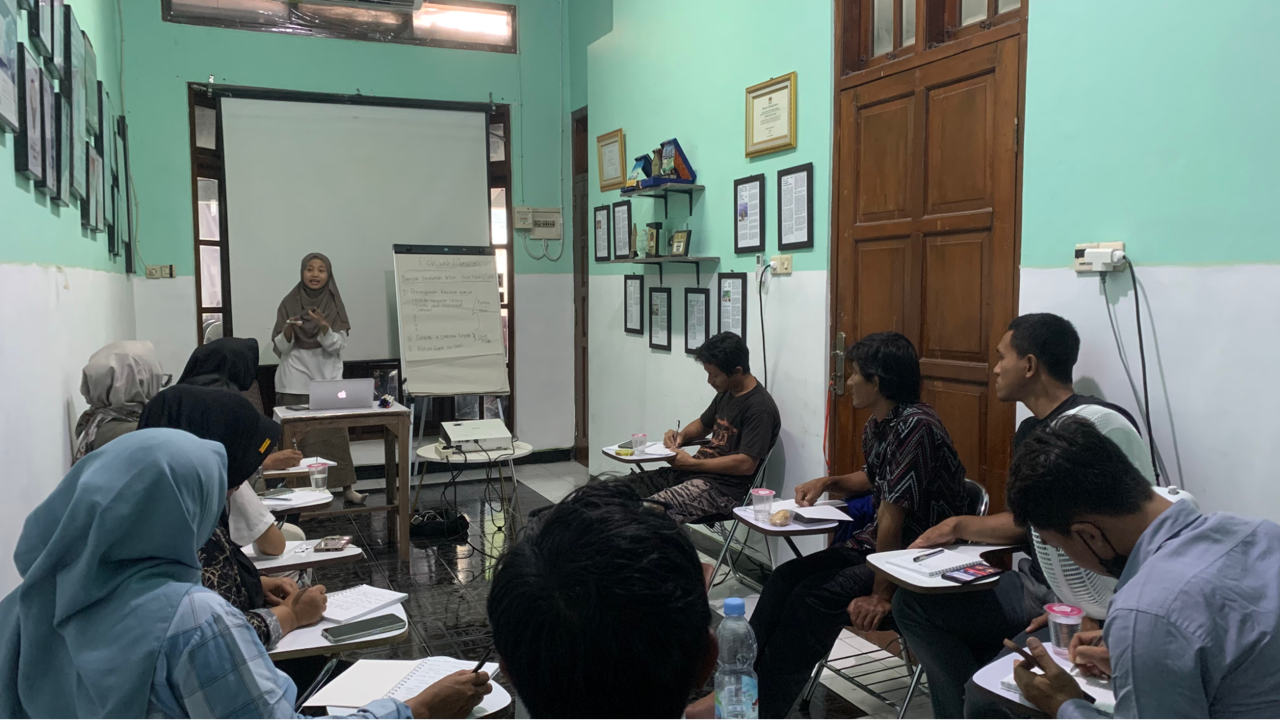
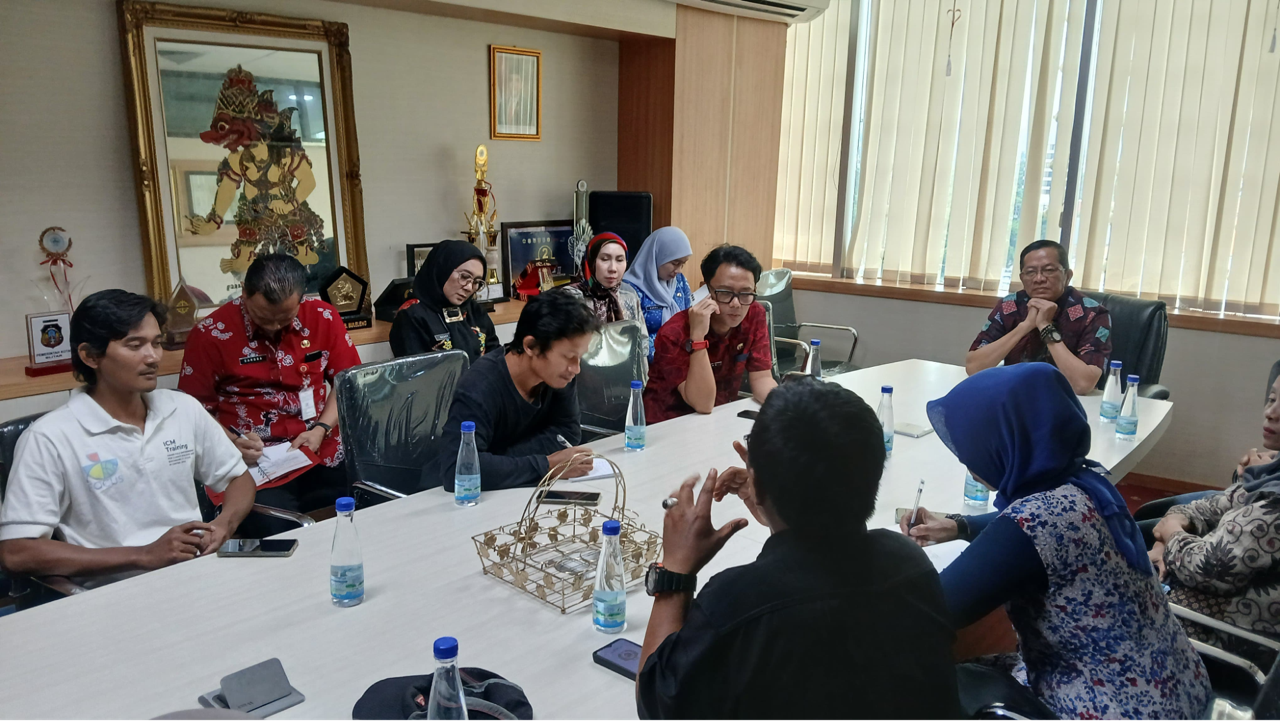
With the action plan and resources in hand, PATTIRO moved into implementation. After securing a commitment from local government officials to engage in the process, the PATTIRO team developed a social audit approach and trained 10 coastal community members and 8 representatives from local civil society organizations in these techniques.
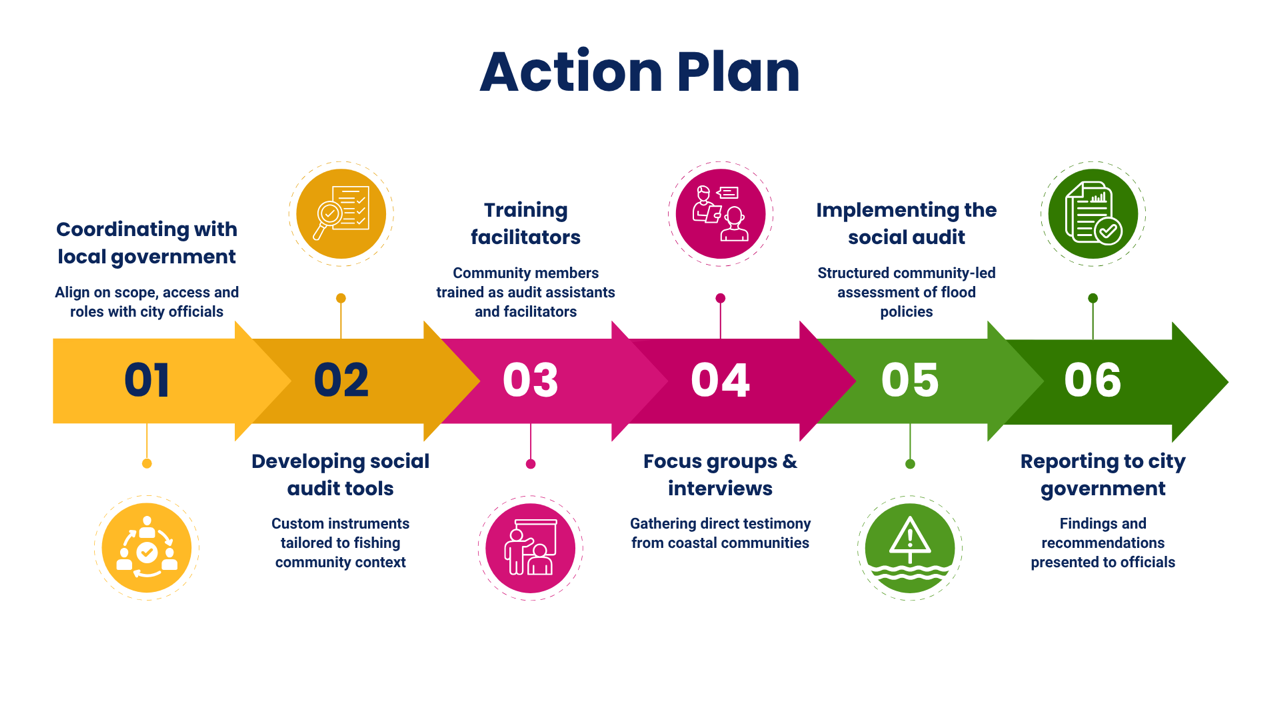
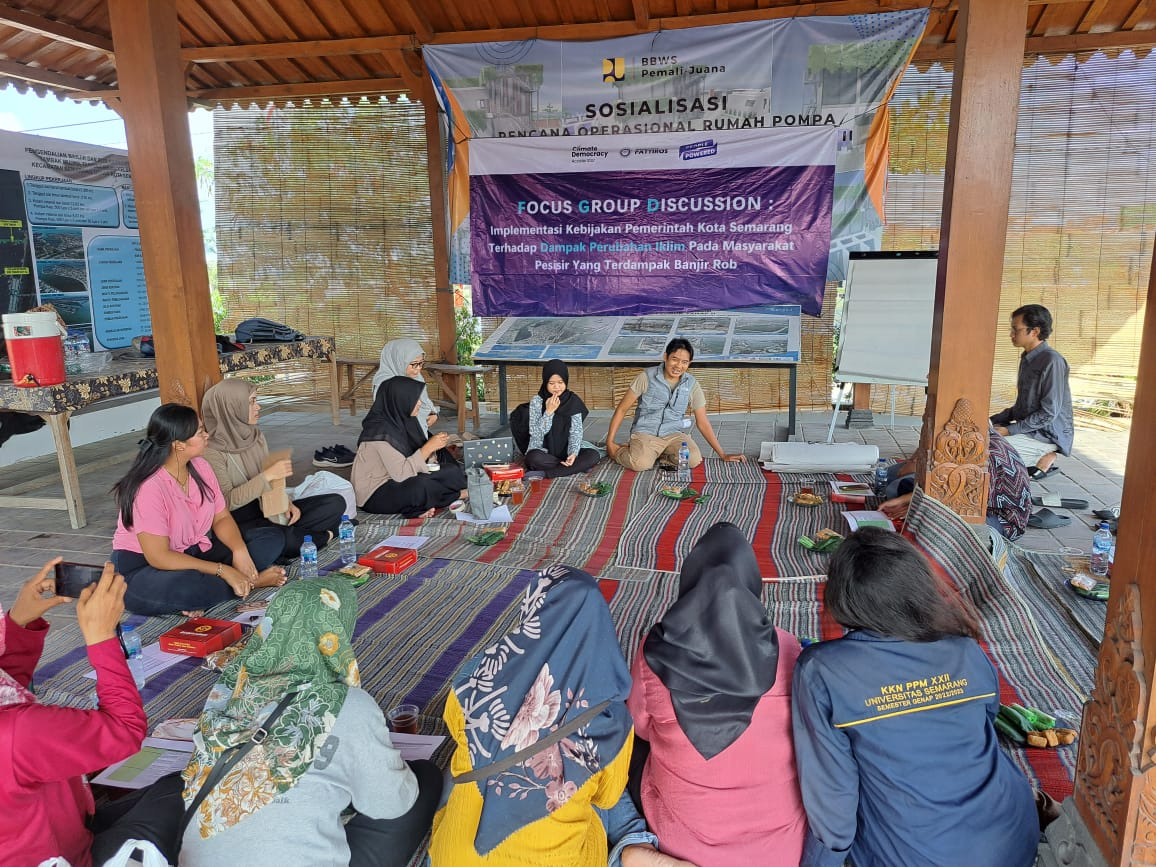
The team then implemented a series of focus group discussions with those most affected by tidal flooding, being sure to include those marginalized groups who often have less say in policy decisions, including women-headed households.
In total, 60 community members were consulted and given a direct channel to government officials to help inform future policy actions.
Those community members shared direct knowledge, experience, and wisdom not otherwise accessible to city officials who have not lived in the same situations and identified actionable solutions to help address the persistent and prolonged flooding issues. One such solution was to invest in adequate communal waste management facilities to prevent waste buildup from blocking drainage systems.
Local government officials then committed to increasing the budget for waste management.
The process not only helped to address a major consequence of tidal flooding but also increased trust in local government among community members. This demonstrates the power of participatory solutions not only to improve policy outcomes but also to give residents a stake in the process.
From One Win to a Bigger Table
To build on the success of this initiative, PATTIRO Semarang joined another People Powered training: the Inclusive Democracy Accelerator (IDA), a six-month, practice-oriented training and support program to help civil society organizations and governments improve participatory initiatives to better engage historically marginalized groups and institutionalize inclusive participation.

Taking advantage of an existing localized consultation and budgeting process called the Musrenbang, PATTIRO is now working toward two goals that aim to mainstream participation across government.
Its first goal is to work to create incentives for local governments to hit environmental targets. To meet this, PATTIRO has submitted recommendations to the Semarang City Government to create a pool of environmental performance-based funding, which would offer more funds to those communities that have made tangible progress toward environmental targets like better waste management or improved conservation initiatives for critical coastal resources like mangrove forests. If passed, the funds would be allocated through urban village and sub-district levels, and community members would determine how to best utilize the budget through the Musrenbang process.
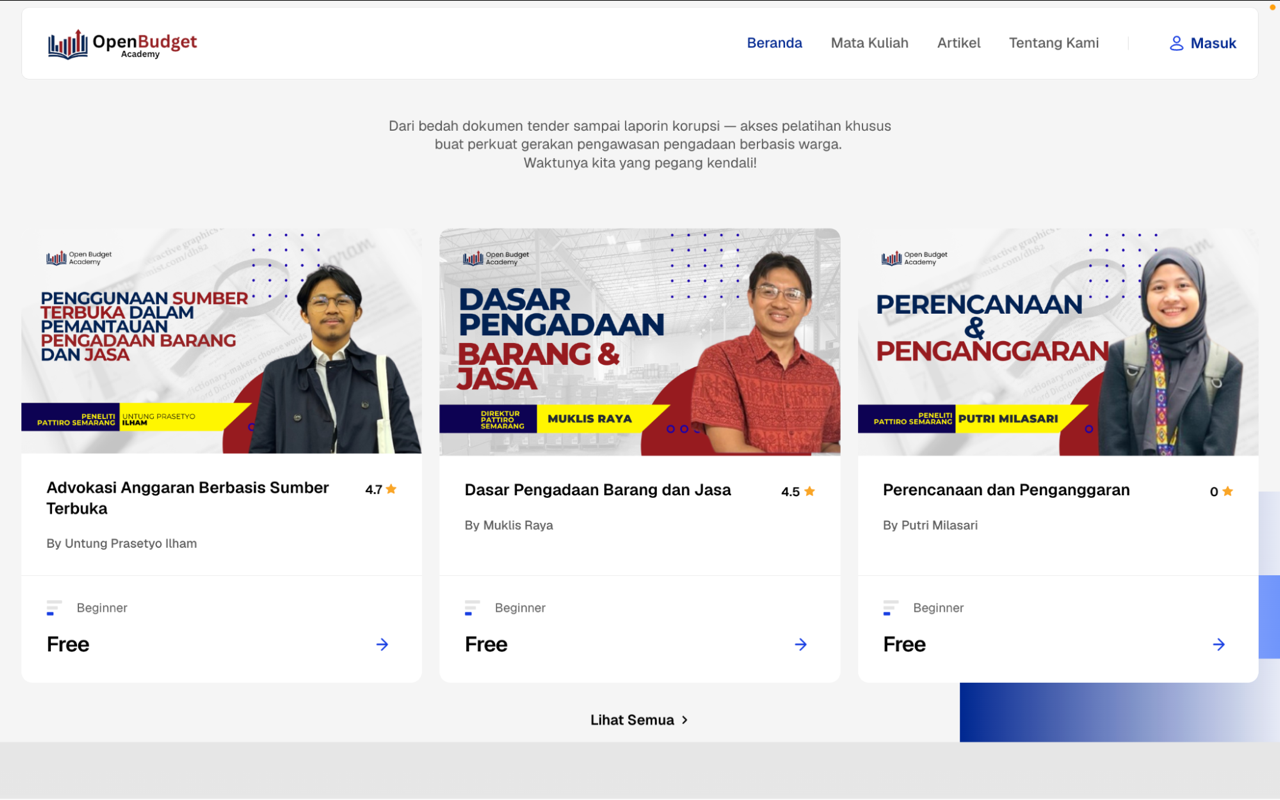
Its second goal is to empower more people, especially women, youth, and those living with disabilities, to engage in these participatory processes. PATTIRO has launched the Open Budget Academy (OBA), a free and open learning platform to increase financial knowledge and budget literacy. The goal of the OBA is an effort to decentralize knowledge and empower more people to feel confident and empowered to actively engage in these participatory budgeting processes.
Combined, these approaches developed and implemented by PATTIRO with support from the People Powered Accelerator program will institutionalize multiple pathways of citizens’ participation into the budgeting and policy implementation process.
“While Musrenbang focuses on planning ahead, the social audit brings the community and government together to jointly assess policy effectiveness, identify gaps between commitments and actual field implementation, and formulate shared solutions.” - PATTIRO Semarang
This comprehensive approach demonstrates how participatory methods can empower communities traditionally shut out of government decision-making to devise collaborative solutions that protect those most vulnerable to the most urgent risks of climate change.
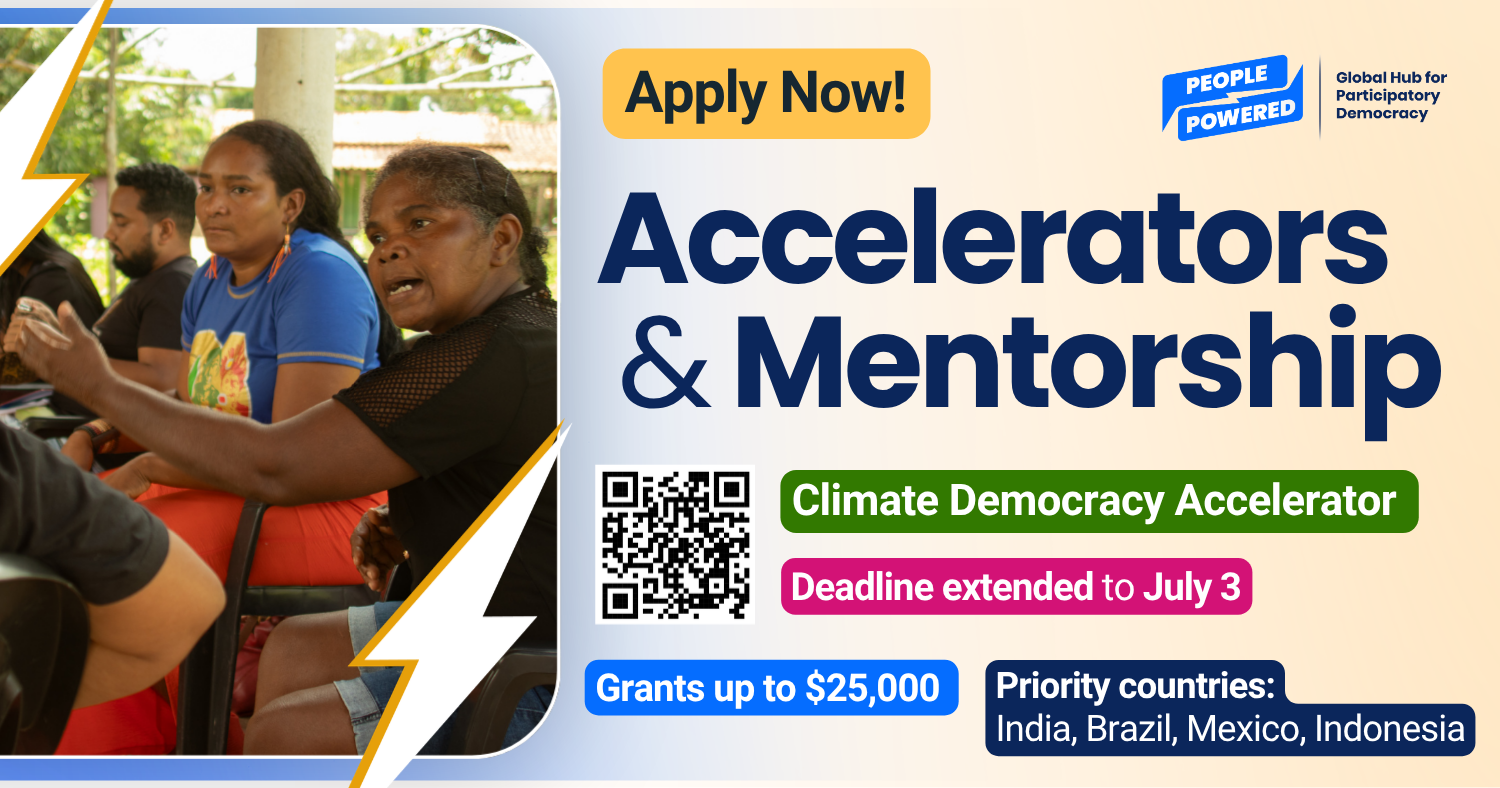
People Powered is currently recruiting for the next cohort of the Climate Democracy Accelerator. It’s now your chance to gain the skills and funding (up to US$ 25,000) to implement participatory approaches to combat climate change in your community.
Apply by July 3. Applications are open to countries in Africa, Asia, and Latin America, with the priority countries being Indonesia, India, Mexico, and Brazil.