



New Video: 3 strategies behind an effective Climate Assembly
/The COP30 climate meetings in Brazil were described by some analysts as the “People’s COP,” marked by the strongest presence and representation of Indigenous peoples and Afro-descendant communities to date. For the first time, the conference’s main documents explicitly mentioned these groups. This recognition is not merely symbolic, it signals a necessary shift. More than new technological solutions, we need real inclusion: bringing to the center of the debate those who live the impacts of the climate crisis and who already know, in practice, how to protect biodiversity.
This logic of inclusion is gaining strength in climate action initiatives around the world, including the Citizens’ Climate Assembly in Nigeria. In Plateau State, a Citizens’ Climate Assembly led by Fundlink International, a best award recipient of the fourth cohort of the People Powered Climate Democracy Accelerator (CDA) by People Powered.
Watch the video to see how the community experienced this climate deliberation process.
Background of the climate challenge
Plateau is an agricultural state with a more temperate climate than other regions of Nigeria. In recent years, however, rainfall patterns have shifted: the traditional two-week break in August has expanded to five weeks, directly affecting crops that can no longer survive this longer dry spell. Farmers struggle to choose resilient varieties, and sudden floods have destroyed shops, infrastructure, and even taken lives. At the same time, Plateau receives many displaced people fleeing conflicts in other regions, which increases pressure on natural resources. With less water and land available, tensions between farmers and herders have intensified. It's an environmental crisis that is also deeply social. It is in this challenging context that citizens found a collective path forward through the Citizens’ Climate Assembly.
The Citizens’ Climate Assembly combined three in-person workshops with several online sessions, bringing together local knowledge, community traditions, and scientific evidence. But the success of the process did not begin there: it was made possible by Plateau’s previous commitment to open governance, strengthened through its participation in the Open Government Partnership, which helped build trust between government, civil society, and citizens.
This process was strongly supported by the government, particularly through the Ministry of Environment and Climate Change. As Peter Gwon, Commissioner of the Ministry of Environment and Climate Change, highlighted: “the Climate Assembly will lead to many benefits for the state: policy legitimacy and inclusivity, strengthening governance and resilience, access to climate finance, and an elevated state profile.”
Key outcomes of the Citizens’ Climate Assembly
Participants brought their learning back to their communities and began acting immediately: they planted 1,000 saplings, supported by 300 more from the government, followed by another 10,000 seedlings distributed across the state.
Integration of scientific knowledge and traditional wisdom to adapt crops, promote sustainable farming practices, and reduce conflicts between farmers and livestock herders.
Creation of a dedicated office for the Citizens’ Climate Assembly within the Ministry of Environment.
Development of a draft climate policy, submitted to the governor and the commissioner for the environment.
Adoption of a climate action plan and the start of ongoing collaboration with the government.
Drafting of a framework for a Climate Change Bill.
Creation of a local agenda for COP30 in Brazil, strengthening the state’s voice in global climate discussions.
Intention to replicate the Climate Assembly across all 17 local government areas of the state.
Strategic Lessons from the Plateau State
1. Root participation in government institutions
Build government partnership from day one to ensure continuity.
Formalize citizen participation inside public institutions (e.g., dedicated office in the Ministry).
Secure funding early — no climate policy works without financial backing.
2. Cultivate an ecosystem of inclusion
Prioritize diversity: gender balance, youth, rural communities, displaced people, and people with disabilities.
Inclusive processes generate better proposals and strengthen trust between citizens and institutions.
Partnerships with universities, agencies, and local groups help reach marginalized voices.
3. Empower people to grow local action
Combine scientific knowledge with traditional knowledge for solutions that fit local realities.
Support hands-on actions: adapting crops, planting trees, raising climate awareness.
Promote sustainable farming and conflict-reduction strategies to improve livelihoods and resilience.
Donate to help empower more communities worldwide!
Inspired to build your own people-powered impact?
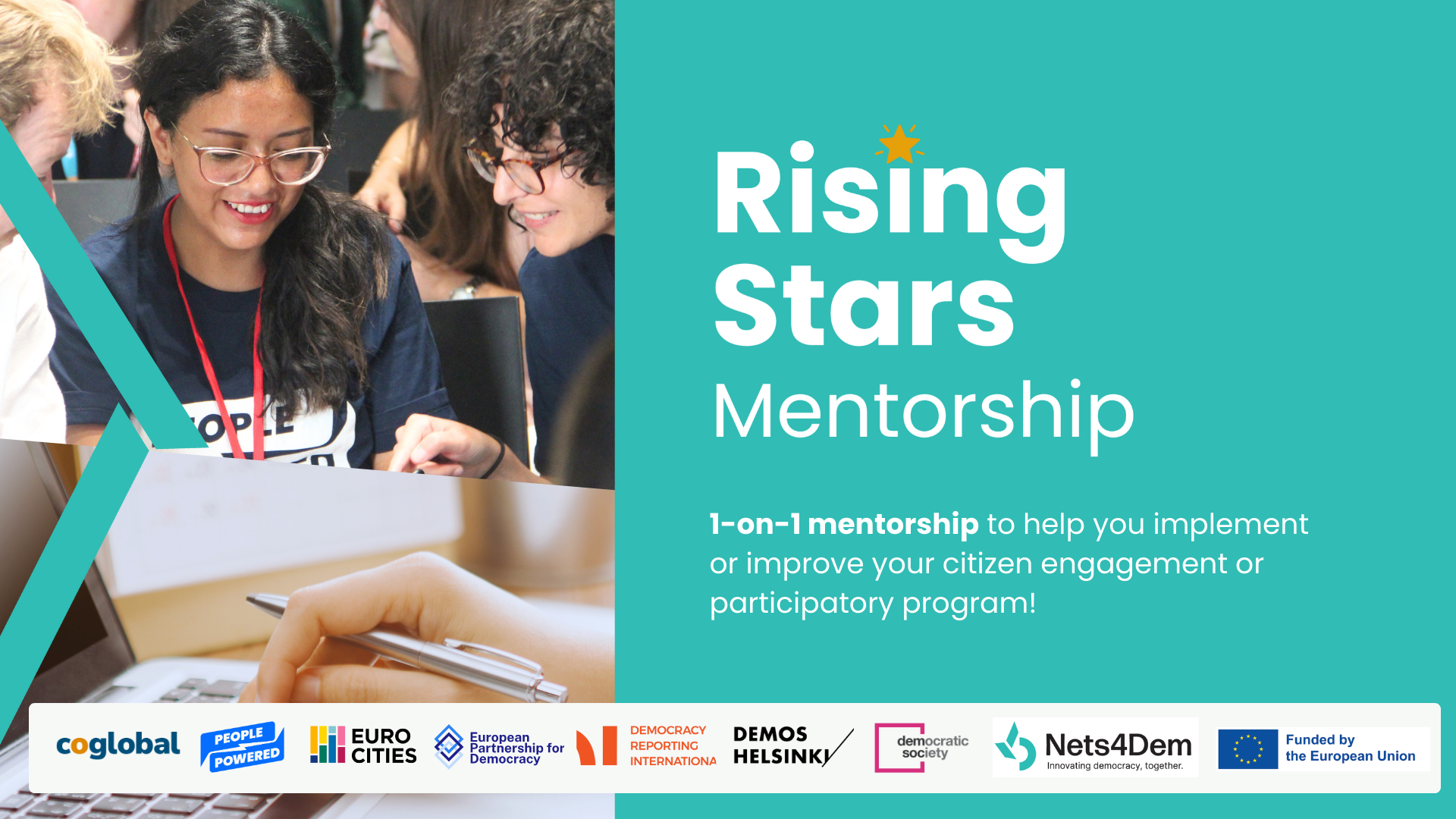
⭐️ Apply for the Rising Stars Mentorship to receive expert 1-on-1 mentorship to solve specific challenges in your participatory program. Our mentors are comprised of handpicked mentors made up of People Powered members from across the globe! Applications will be reviewed in the next mentorship cycle in early 2026.
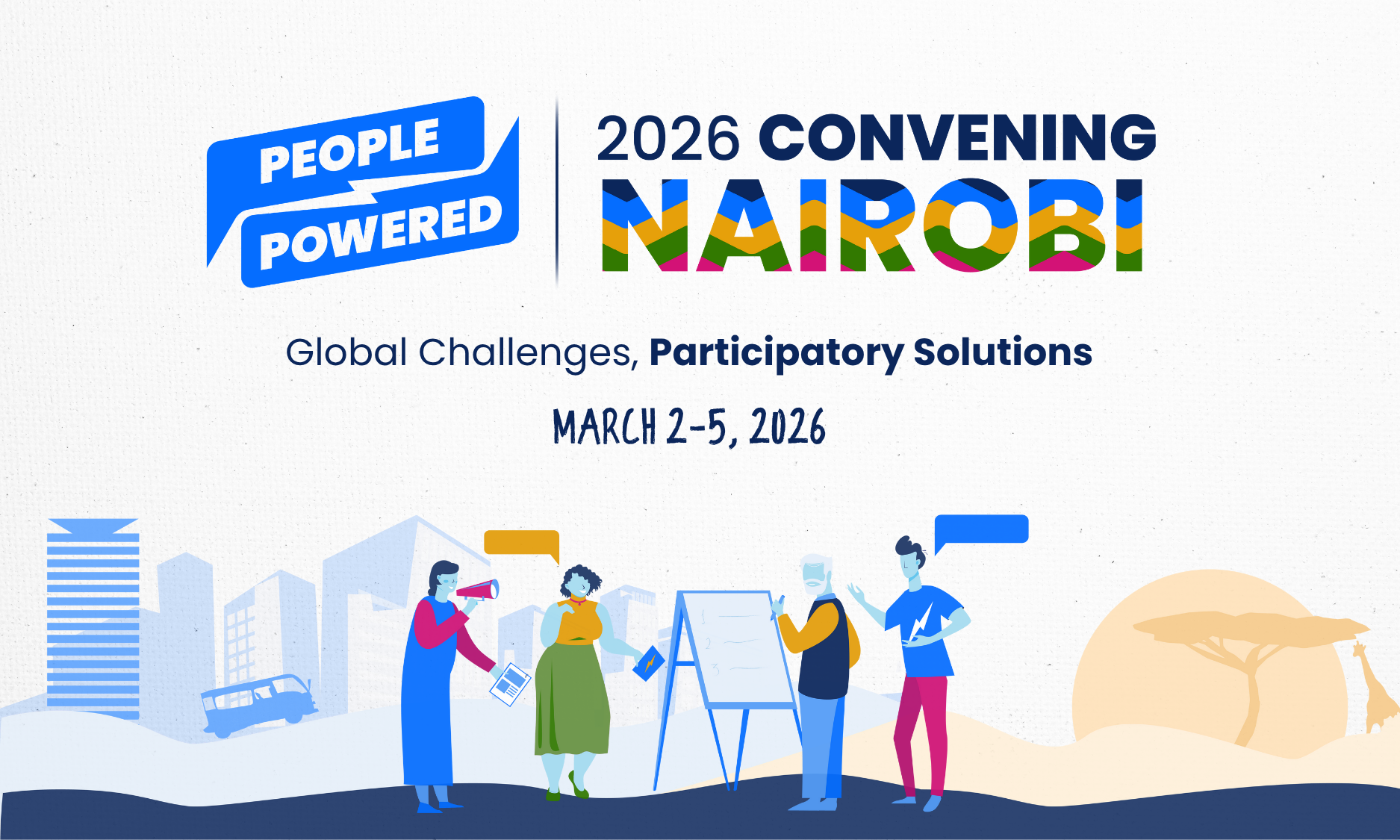
🗓️ Join us in Nairobi, March 2–5, 2026, for the People Powered 2026 Convening, where reformers, activists, and government innovators will co-create participatory solutions for global challenges including the climate crisis, and the need for more inclusive democracies and narrative change.